
Parker plumbing guide
Do Parker Homes Really Need a Sump Pump?
Full basements, the Cherry Creek drainage basin, and a wet spring snowmelt season make sump pumps more important in Parker than in many other Front Range communities. Here is how to know whether your home needs one.
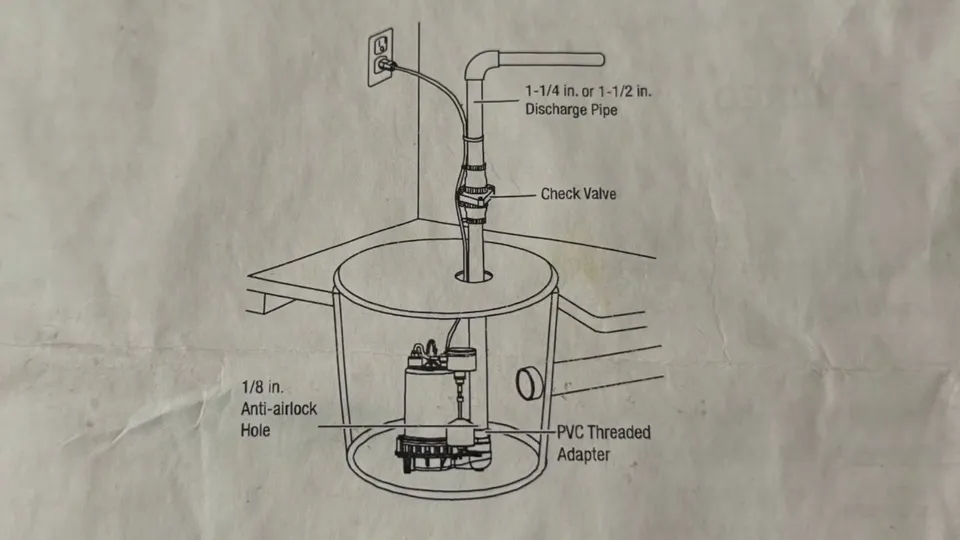
What makes Parker different from other Denver suburbs
Parker sits near the Cherry Creek drainage basin, and the town's topography channels snowmelt and storm runoff toward the lower-lying neighborhoods. Full finished basements are the standard here, not a premium feature, which means the question of keeping water out of the lower level is universal across the community rather than limited to a few unlucky lots.
One more factor: Parker is a young city in terms of housing stock. Most of the community went up between the mid-1980s and today, which means a high proportion of homes have full finished basements rather than the slab-on-grade or shallow basement construction common in older Denver neighborhoods. That investment in finished lower levels is exactly what is at risk when groundwater management fails.
The clay soil that covers most of the Douglas County area holds water against basement walls rather than absorbing it quickly. When spring snowmelt and summer monsoons add water to ground that is already saturated, the pressure on basement walls and floors builds. Homes in Stroh Ranch, near the Cherry Creek Trail, and in the lower sections of any Parker neighborhood feel this most acutely, but it is a factor across the community.
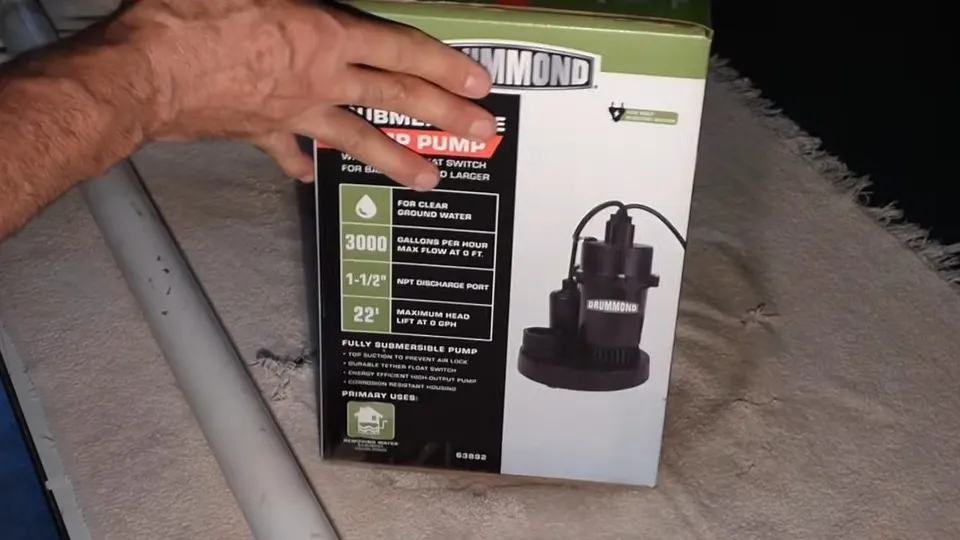
When a sump pump is the right answer
You have a finished basement
A finished basement represents a significant investment in a Parker home. Whether it is a home office, a playroom, a home gym, or a guest suite, water on that floor costs far more than a sump pump. For any finished lower level in Parker, a sump pump is not optional equipment, it is insurance against the claim you never want to file.
Your lot is in a lower position
Parker has significant topographic variation, and lots that sit downslope from neighboring properties receive more groundwater than elevated lots. If your property has a swale running toward it, a storm drain nearby, or sits at the bottom of a gentle grade, the groundwater load during a wet spring is higher than average.
You have ever found water in the basement
A single wet spring is not always a signal, but water appearing in a basement more than once is a pattern worth addressing before it becomes a pattern with water damage attached. A sump pump installation is far less expensive than drywall, flooring, and mold remediation after the third wet season in a row.
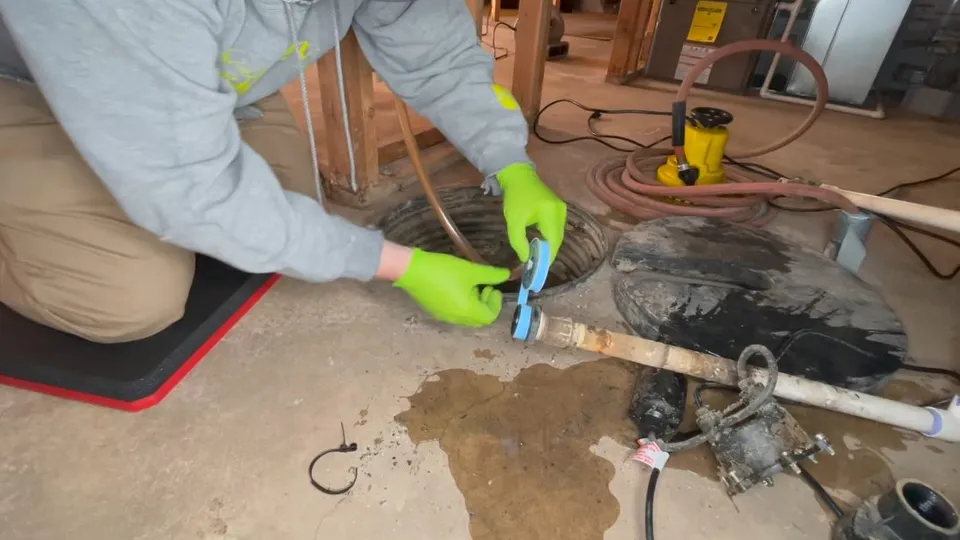
Battery backup: the piece most Parker homeowners skip
The most important feature on a Parker sump pump is one that homeowners discover too late: a battery backup. Summer thunderstorms in Douglas County arrive fast, dump significant rain in a short time, and frequently knock out power in the process. Those are exactly the conditions that drive the most groundwater toward a foundation, and they are also the conditions that disable an electric-only sump pump.
A battery backup system contains a second pump powered by a charged battery that activates automatically when the main pump loses power or when the water level rises above the main pump's capacity. Some systems also send an alert to a smartphone when the battery activates, which is useful during a trip that overlaps with a Parker summer storm. The backup is not a luxury for high-risk properties. It is the feature that matters most on the one night it is needed.
Maintenance that extends a sump pump's life
A sump pump needs an annual check before the spring melt season begins. Pour a bucket of water into the pit to confirm the float activates the pump and the water clears quickly. Check that the discharge line runs freely and inspect it for any section that might freeze in winter. If the pump is older than ten years, consider replacing it before the season where you actually need it, rather than discovering the motor has failed at the beginning of a wet April.
Battery backup units have their own maintenance cycle: the battery needs testing annually and replacement roughly every three to five years, depending on the battery chemistry and how often it has been called on. A plumber can test both the main pump and the backup in a single visit and give you a reliable picture of the system's condition before the high-demand season starts.
Frequently asked questions
How do I know if my Parker home needs a sump pump?
If you have a finished or unfinished basement and the neighborhood has a history of spring snowmelt or summer storm drainage, a sump pump is worth serious consideration. Homes in Stroh Ranch, near the Cherry Creek Trail, and in lower-lying lots throughout Parker are the highest-risk properties. If you have ever found water on the basement floor or moisture at the base of the walls in spring, you already have your answer.
What size sump pump does a Parker basement need?
Sizing depends on the drainage load, which varies by lot position and basement square footage. A standard quarter-horsepower submersible pump suits most Parker homes. Homes in lower-lying positions or with larger basements may need a half-horsepower unit. A plumber can assess the pit and the drainage history to recommend the right capacity.
Does a sump pump need a battery backup in Parker?
Yes, for most homes. Parker summer storms, which tend to arrive fast and can knock out power, are the same events that drive the most groundwater toward foundations. A basement that floods exactly when the pump loses power is not an uncommon story here. A battery backup that takes over automatically when the main pump loses power is the fix.
How long do sump pumps last?
Most quality submersible pumps run ten to fifteen years. A pump that is original to a 1990s or 2000s Parker home is likely at or past that range. Replacing it before it fails is far less disruptive than replacing it after a wet spring puts water on a finished basement floor.
Can a sump pump freeze in winter?
The pump itself, inside the pit, is below grade and stays above freezing. The discharge line is the vulnerability. A discharge line that runs above grade can freeze solid in a hard Parker winter, which blocks the pump from moving water and can burn out the motor. A plumber routes the discharge to drain well and adds insulation or a freeze-protection fitting where needed.
Need a plumber?
Sump pump questions for your Parker basement?
A licensed Parker plumber can assess your lot, size the right pump, and add battery backup so the system works when it matters most.