
Parker, CO · Plumbing service
Frozen Pipe Repair in Parker, CO
When a Parker cold snap freezes a line, fast and safe thawing keeps a small problem from turning into a flooded basement.
- Licensed & Insured
- 24/7 Emergency
- Upfront Pricing
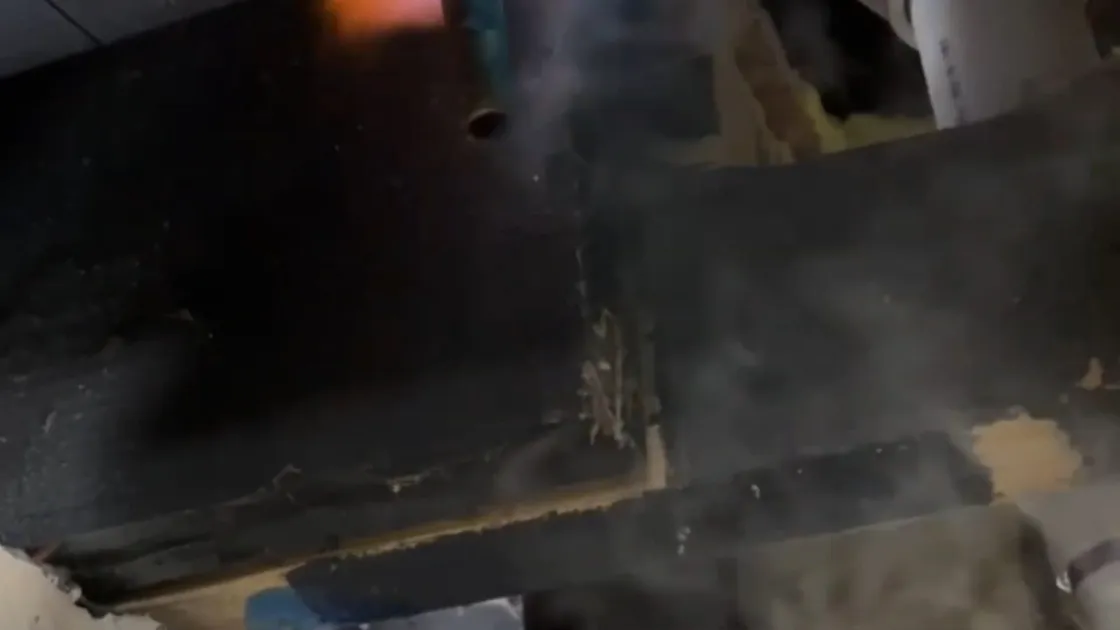
Frozen pipe repair is the work of safely thawing a blocked line, fixing any split it caused, and stopping the freeze from happening again. Parker sits at nearly 5,900 feet, and overnight lows run below zero for stretches of December through February. Water in an exposed pipe expands as it freezes, pressure builds, and the pipe can crack or burst. A licensed plumber thaws the line with controlled heat, checks for a rupture, and protects the vulnerable runs before the next deep freeze.
What frozen pipe service covers
Most Parker freezes happen in the same places: unfinished basement runs, garages, crawl spaces, rim joists, and exterior walls where insulation is thin. Outdoor hose bibs are a classic failure point, since a hose left attached traps water that freezes back into the wall.
The job starts with thawing the blockage so water moves again. From there a plumber looks for a split, repairs or replaces the damaged section, and adds protection: pipe insulation, heat tape on the worst runs, and a frost-free hose bib where the old one keeps failing. The goal is no refreeze and no callback.
Vacant and seasonal homes get extra attention. A house kept cool while the owners travel can freeze fast, so winterizing the lines and keeping heat at a safe minimum matters before anyone leaves town.
Parker's freeze-thaw swing makes it worse. A sunny afternoon in the 40s followed by a night near zero loosens fittings and stresses joints again and again through the season. Shoulder-season cold snaps in October and April catch homeowners off guard, since the deep freeze arrives before the pipes are protected.
How Parker conditions affect this service
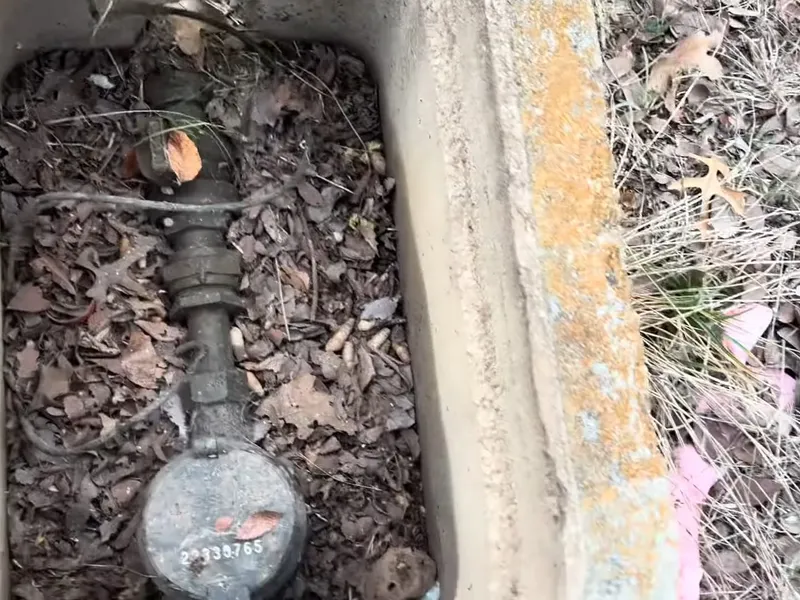
Hard Front Range water, expansive bentonite clay, and the freeze-thaw winters at nearly 5,900 feet shape every frozen pipe repair call in this market. A plumber who works Parker daily arrives with the right parts for the most common local failure modes and does not lose time diagnosing conditions that are standard here.
How a Parker plumber finds the freeze
Before any heat goes on, a plumber confirms where the line is frozen and whether it has already split.
Tracing where flow stops
If one faucet runs dry while others work, the freeze is usually on that branch. A plumber follows the cold run toward exterior walls and unheated spaces to pin down the blocked section.
Checking for an existing burst
A frozen pipe sometimes splits before it thaws, with the leak hidden until the ice melts. A plumber inspects joints and the pipe surface for cracks and bulges so the thaw does not release water into the wall.
Spotting the vulnerable runs
Rim joists, hose bib stub-outs, and pipes against exterior walls freeze first. Identifying every weak point lets a plumber fix the freeze that happened and prevent the two or three that were about to.
How we thaw and repair frozen pipes
Thawing is done with steady, controlled heat. Open flame and torches crack pipes and start fires, so they are never the tool here.
Controlled thawing
A plumber warms the frozen section with heat sources made for the job, working from the faucet side so melting water has somewhere to go. The line is brought back gradually to avoid stressing the pipe.
Repair or replace the split
If the freeze split the pipe, the damaged section gets cut out and replaced with new copper or PEX. PEX handles freeze stress better than rigid copper, so it is often the smart swap on a chronic trouble spot.
Freeze-proofing for next winter
Insulation goes on exposed runs, heat tape protects the spots that freeze every year, and a frost-free hose bib retrofit ends the annual outdoor faucet split. Small steps now beat an emergency call in January.
What frozen pipe repair costs in Parker
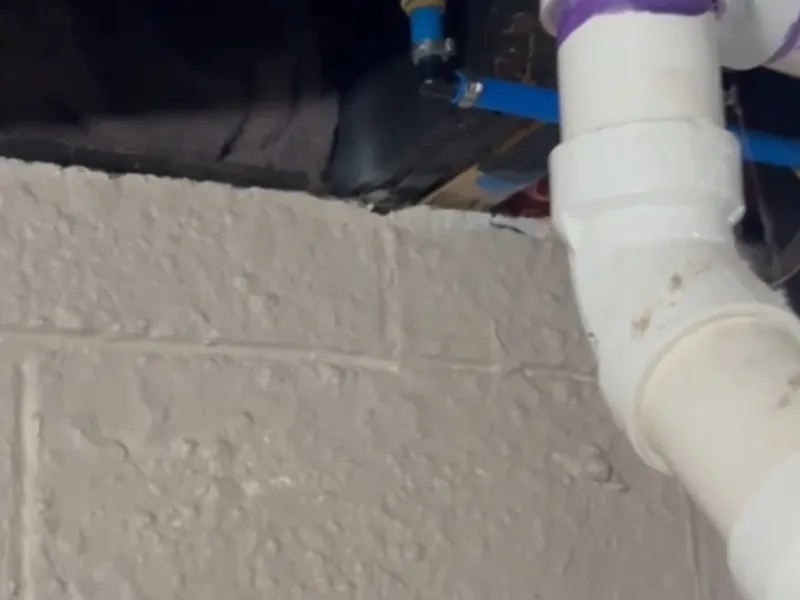
Pricing depends on access and whether the pipe burst. You get the number before any work starts. Typical Parker ranges look like this.
Ranges vary with how buried the pipe is and how much damage the freeze caused. A plumber confirms the price on site before starting.
What we also handle
Frozen pipes rarely travel alone in a hard freeze. If a line already let go, see burst pipe repair for emergency rupture response. Hidden moisture after a thaw is a job for leak detection, and a home that freezes year after year may be a candidate for whole-home repiping to move pipe out of the cold runs.
Related plumbing services
Burst Pipe Repair
Leak Detection
Repiping & Whole-Home Pipe Replacement
We bring frozen pipe repair to Parker neighborhoods and nearby cities including Aurora, Centennial, Highlands Ranch, Lone Tree, Castle Rock. See the full service area, or read our frozen pipe prevention tips and winter plumbing checklist in the Parker plumbing guides.
Frequently asked plumbing questions
How do I know if a pipe is frozen and not just slow?
A frozen line usually means no water at all from one fixture while the rest of the house runs fine, often after a night below zero. Frost on a visible pipe or a faucet that sputters and quits are other signs. If a whole branch goes dry in a cold snap, treat it as a freeze.
Should I thaw a frozen pipe myself?
You can open the faucet and warm the area gently with a space heater or hair dryer, never a torch or open flame. If you cannot reach the pipe, the water will not return, or you see a bulge or crack, stop and call a plumber before it bursts.
Will a frozen pipe always burst?
Not always, but the risk is real and rises with every freeze and thaw. Some pipes split on the first hard freeze, others weaken over several winters before they fail. A plumber can check a thawed line for damage and protect it going forward.
Which pipes freeze first in Parker homes?
Exterior hose bibs, pipes in unfinished basements and garages, and any run against an outside wall or in the rim joist. Homes with finished basements can still freeze where pipe passes through an unheated chase.
How do I keep pipes from freezing in a vacant home?
Keep the thermostat no lower than 55 degrees, open cabinet doors under sinks on exterior walls, and disconnect outdoor hoses. For longer trips, having the lines winterized is the safest move before you go.
Can you fix the hose bib that splits every winter?
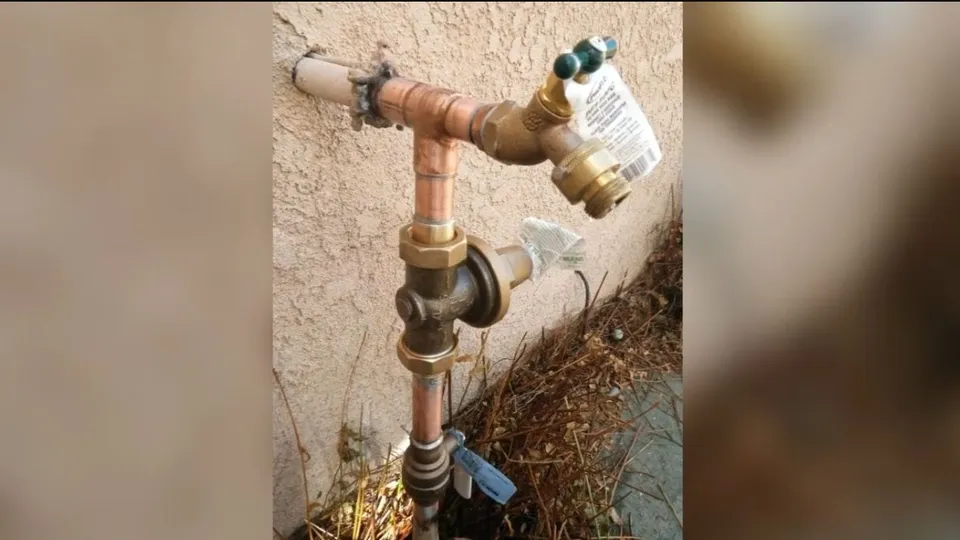
That is one of the most common Parker calls. The fix is a frost-free hose bib that keeps the shutoff point inside the heated wall, so water is not sitting in the cold stub-out. It ends the yearly outdoor faucet repair.
Need a plumber?
Frozen pipe? Call before it bursts
A licensed Parker plumber can thaw the line safely and stop the damage. Call any hour.