
Parker, CO · Plumbing service
Slab Leak Detection & Repair in Parker, CO
Newer slab-on-grade homes in north and east Parker can hide leaks under the foundation, and finding them fast limits the damage.
- Licensed & Insured
- 24/7 Emergency
- Upfront Pricing
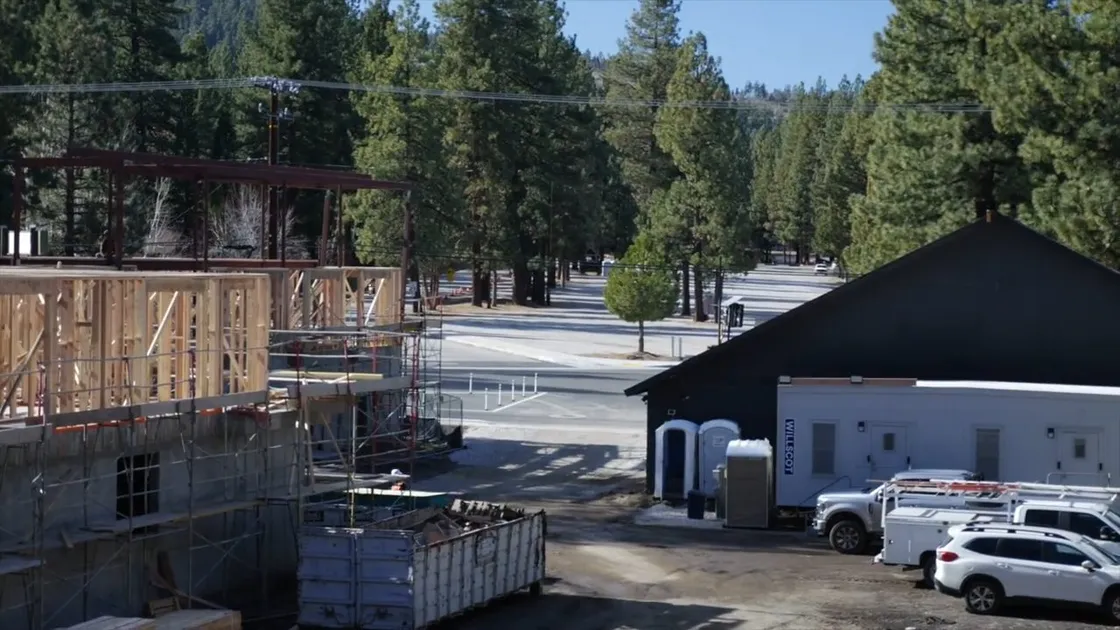
A slab leak is a break in a water line running beneath the concrete foundation. Most older Parker homes have basements, but the newer infill built in the 2010s and 2020s, including parts of Idyllwilde and the later Stroh Ranch phases, often sits on slab-on-grade. Those homes can develop slab leaks. Expansive bentonite clay shifts the foundation over time, which stresses buried lines and complicates locating the leak. A licensed plumber pinpoints the break without tearing up the whole floor, then repairs, reroutes, or repipes.
What slab leak service covers
The warning signs are quiet at first. A warm spot on the floor can mean a hot-water slab leak. A water bill that climbs with no change in use, the sound of running water when everything is off, unexplained mildew, or new cracks in flooring and drywall all point under the slab.
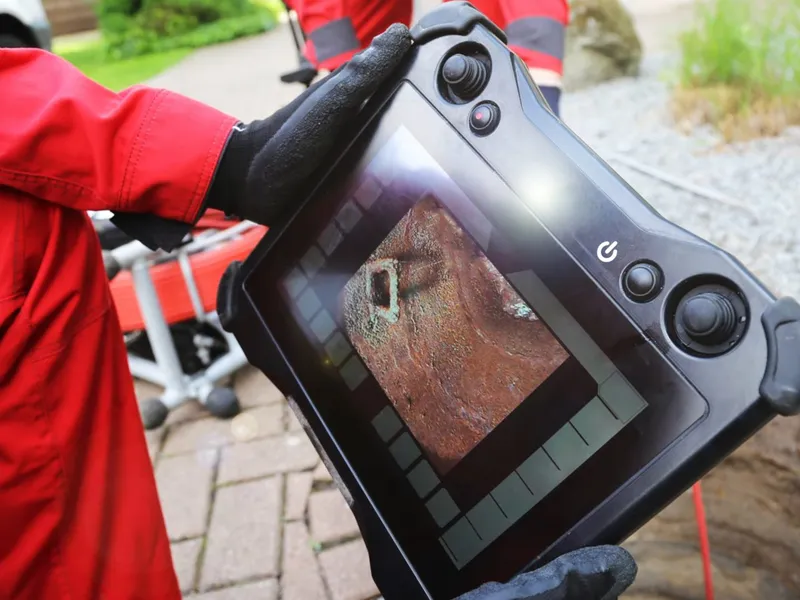
Detection is the hard part, and it is where the right tools matter. A plumber locates the leak before opening any concrete, so the repair is surgical instead of a guess. Once the spot is known, there are usually two or three repair paths depending on the pipe, the access, and how many leaks have shown up.
Parker's clay foundation movement is part of the picture. A line that gets pinched or stressed by a shifting slab can leak again nearby, so a plumber weighs a single spot repair against rerouting the run out from under the slab for good.
Newer slab homes carry their own layout. Many run PEX off a central manifold under the slab, and some sit on post-tension foundations where the concrete hides tensioned cables. A plumber treats those carefully, locating the leak precisely so a repair never disturbs a cable or the foundation system.
How Parker conditions affect this service
Hard Front Range water, expansive bentonite clay, and the freeze-thaw winters at nearly 5,900 feet shape every slab leak detection & repair call in this market. A plumber who works Parker daily arrives with the right parts for the most common local failure modes and does not lose time diagnosing conditions that are standard here.
How we find a slab leak
Pinpointing the leak under concrete takes listening gear and thermal tools, not a jackhammer and a hunch.
Acoustic listening
Specialized listening equipment picks up the sound of water escaping a pressurized line through the slab. A plumber moves across the floor to narrow the leak to a small area before any concrete comes up.
Thermal imaging
A hot-water slab leak warms the floor above it. A thermal camera reveals that heat signature, which speeds up locating a hot-line leak and confirms what the acoustic gear suggests.
Pressure isolation testing
By isolating the hot and cold lines and watching pressure, a plumber confirms a leak exists and which line is losing water. That rules out other causes before opening the slab.
Slab leak repair options
Once the leak is located, a plumber walks you through the choices and what each one costs.
Spot repair
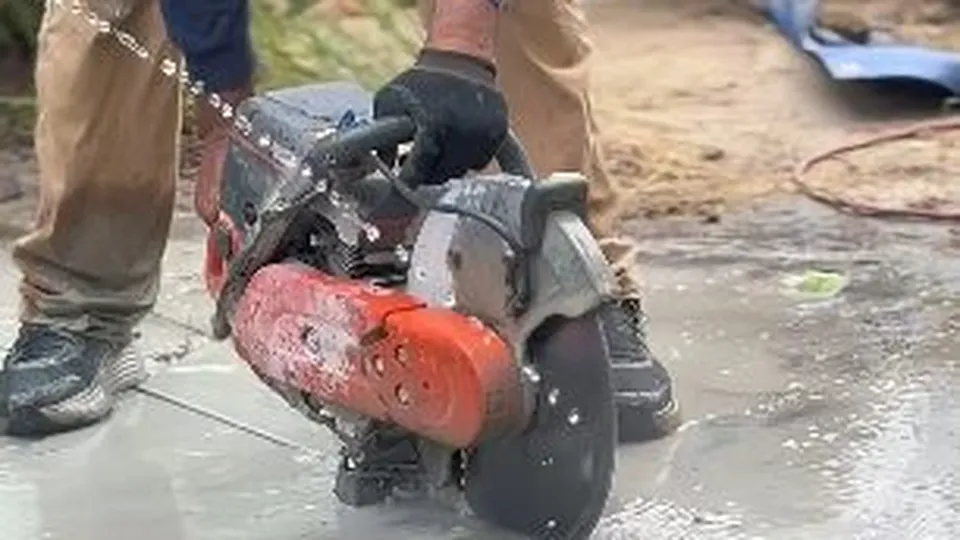
For a single accessible leak, a plumber opens a small section of slab, repairs the line, and restores the floor. It is the least invasive fix when there is one clear break and the rest of the pipe is sound.
Pipe reroute
Rather than chase a leak through a shifting clay slab, a plumber can abandon the under-slab run and route a new line through walls or the attic. This takes the pipe out of the foundation, which matters where the soil keeps moving.
Repipe
When a home has had several slab leaks, replacing the affected lines end to end is often the lasting answer. It costs more up front and saves the repeat repairs that come with aging under-slab pipe.
What slab leak work costs in Parker
Detection, a spot repair, a reroute, and a full repipe sit at very different price points. You see the number before work begins.
Floor type, leak depth, and how many leaks exist drive the final number. A plumber prices it after locating the leak.
What we also handle
Slab leaks overlap with other hidden-water work. General hidden leaks above the slab fall under leak detection. A home with repeat under-slab failures may be better served by whole-home repiping, and a leak on the line coming into the house is water line repair.
Related plumbing services
Leak Detection
Repiping & Whole-Home Pipe Replacement
Water Line Repair & Replacement
We bring slab leak detection and repair to Parker neighborhoods and nearby cities including Aurora, Centennial, Highlands Ranch, Lone Tree, Castle Rock. See the full service area, or read our signs of a slab leak and Parker expansive clay and your plumbing in the Parker plumbing guides.
Frequently asked plumbing questions
How do I know if I have a slab leak?
Watch for a warm spot on the floor, a water bill that jumps with no change in habits, the sound of running water when nothing is on, or new mildew and cracks. Any one of these in a slab home is worth a detection visit before the damage spreads.
Do Parker homes even have slab leaks if most have basements?
Older Parker stock leans toward basements, but the newer infill in north and east Parker, including parts of Idyllwilde and later Stroh Ranch phases, is often slab-on-grade. Those homes can and do develop slab leaks.
Does expansive clay cause slab leaks?
Clay does not puncture a pipe by itself, but the swelling and shrinking that moves Parker foundations puts stress on rigid under-slab lines and pushes connections out of alignment. Over years, that movement can open a leak.
Will insurance cover a slab leak?
Policies differ. Many cover sudden damage and the cost to access the leak, while excluding the pipe repair itself or gradual seepage. A plumber documents the leak so you have what you need to file, but the coverage call is your insurer's.
Repair, reroute, or repipe, which is right?
One clean leak in sound pipe usually means a spot repair. A line in shifting soil or a second leak often justifies a reroute. Several leaks across the home point to a repipe. A plumber lays out the tradeoffs and the cost of each.
Can you find a slab leak without breaking the floor?
Yes. Acoustic listening and thermal imaging locate the leak first, so concrete only comes up at the exact spot. That is the difference between a small opening and a torn-up floor.
How long does a slab leak repair take?
A spot repair is often a one-day job once the leak is located. A reroute can take a day or two depending on the path through walls and attic, and a repipe runs longer. A plumber gives you a realistic timeline after detection, not a guess before it.
Need a plumber?
Think you have a slab leak?
A licensed Parker plumber can locate it without tearing up your floor. Call for a straight answer.