
Parker, CO · Plumbing service
Leak Detection in Parker, CO
A climbing water bill with no clear source usually means a hidden leak, and the right tools find it without guesswork.
- Licensed & Insured
- 24/7 Emergency
- Upfront Pricing
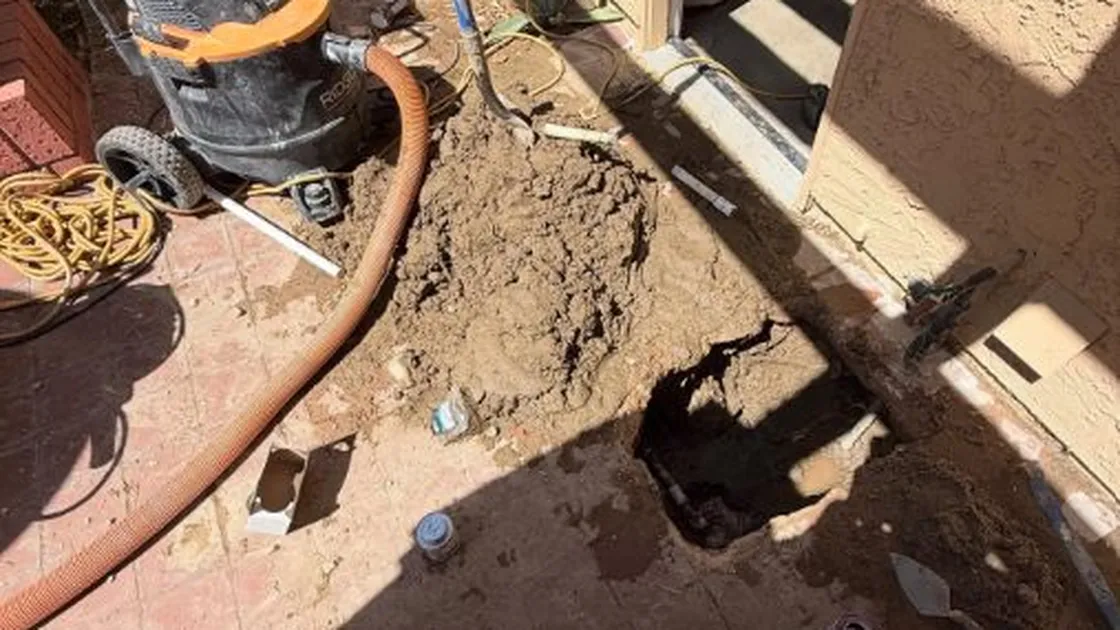
Leak detection is the work of locating water escaping where you cannot see it: inside a wall, under a slab, beneath the yard, or behind a fixture. Parker homes have a few common culprits. Hard Front Range water can wear pinholes in aging copper, expansive clay stresses buried supply lines, and freeze damage leaves slow leaks that surface weeks later. A plumber uses acoustic, thermal, and pressure tools to pinpoint the leak first, so the repair opens only what it has to.
What leak detection covers
The signs are often indirect. A water bill that jumps with no change in use, the sound of running water when everything is off, a warm spot on the floor, unexplained mildew, or a meter that creeps when the house is still all point to a hidden leak.
Hidden leaks hide in predictable places. Supply lines in walls and ceilings, the line running under a slab in a newer Parker home, the buried service line from the meter to the house, and irrigation lines in the yard are the usual suspects. Each calls for a different detection approach.
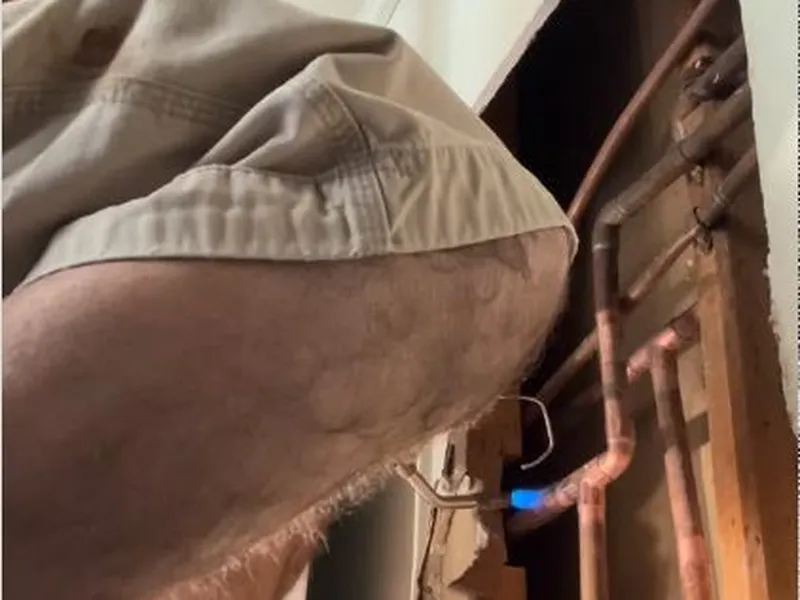
Hard water and copper are a Parker pairing worth knowing. Over years, hard water can etch pinholes in copper supply lines, which weep slowly behind drywall. A small pinhole can do real damage before it ever shows on the surface, which is why finding it early matters.
Finding the leak is the whole point of detection. Opening walls or concrete to chase a leak by guess is expensive and messy. Detection locates the source precisely, so the repair is surgical and the cost of access stays low.
Timing matters with a hidden leak. The longer water moves behind a wall or under a slab, the more it feeds rot and mold and the higher the bill climbs. A detection visit when the first sign shows up, a small bill bump or a faint running-water sound, almost always costs less than waiting until the damage is visible.
How Parker conditions affect this service
Hard Front Range water, expansive bentonite clay, and the freeze-thaw winters at nearly 5,900 feet shape every leak detection call in this market. A plumber who works Parker daily arrives with the right parts for the most common local failure modes and does not lose time diagnosing conditions that are standard here.
How we find a hidden leak
A plumber layers a few methods, since no single tool finds every leak. Together they pinpoint the source.
Acoustic listening
Specialized equipment hears water escaping a pressurized line through walls, floors, or soil. A plumber moves across the area to narrow the leak to a small spot before opening anything.
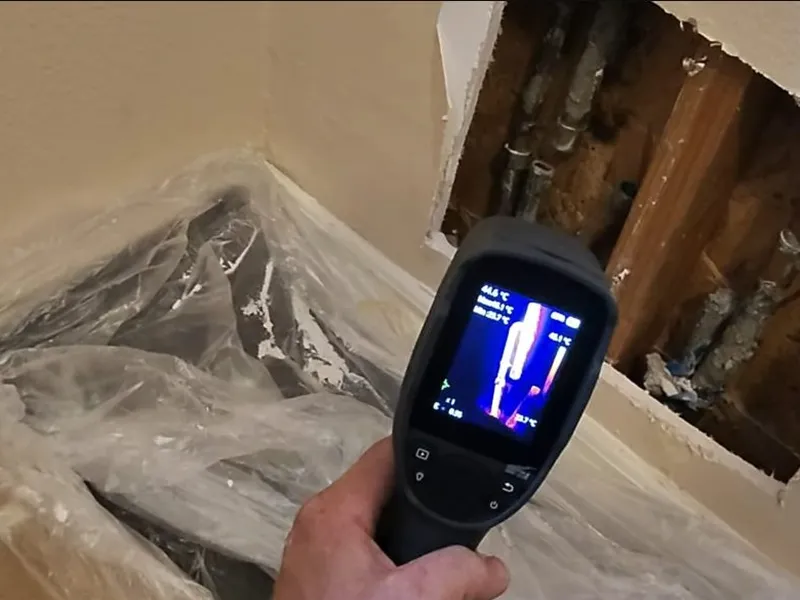
Thermal imaging
A thermal camera reveals the temperature difference a leak creates, which is especially useful for hot-water lines and moisture spreading behind a surface. It confirms what the acoustic gear suggests.
Pressure testing and moisture meters
Isolating and pressurizing a line shows whether and where it is losing water, while moisture meters map how far dampness has traveled. Together they confirm the leak and its reach before repair.
After the leak is found
Detection ends with a clear location and a plan, then the right repair follows.
Pinpoint and mark
A plumber marks the exact leak location and depth, so the repair opens only the spot that needs it. That precision is the difference between a small patch and a torn-up wall.
Match the repair to the leak
A pinhole in copper, a failed fitting, an under-slab break, and a buried service line leak each need a different fix. Finding the source tells a plumber which repair the leak actually calls for.
Confirm it is dry
After the repair, a plumber rechecks pressure and moisture to confirm the leak is gone and nothing else is weeping. You leave knowing the problem is solved, not just hidden again.
What leak detection costs in Parker
Detection is priced on its own, separate from the repair, and you get the number before work begins.
Hard-to-reach leaks and underground lines take more time to locate. A plumber confirms detection cost up front and quotes the repair once the source is found.
What we also handle
A leak under the foundation of a slab home is its own specialty, covered under slab leak detection and repair. A leak on the line into the house falls under water line repair, and a pipe that has already let go is burst pipe repair.
Related plumbing services
Slab Leak Detection & Repair
Water Line Repair & Replacement
Burst Pipe Repair
We bring leak detection to Parker neighborhoods and nearby cities including Aurora, Centennial, Highlands Ranch, Lone Tree, Castle Rock. See the full service area, or read our signs of a hidden water leak and how to read your water meter in the Parker plumbing guides.
Frequently asked plumbing questions
How do I know I have a hidden leak?
A water bill that rises with no change in use is the classic clue. Others include running-water sounds when nothing is on, a warm floor spot, mildew with no obvious source, or a water meter that moves while the house is still.
Can you find a leak without tearing up my house?
That is the point of detection. Acoustic, thermal, and pressure tools locate the leak precisely, so the repair opens only the exact spot instead of chasing water through walls or concrete.
Why do copper pipes get pinhole leaks here?
Hard Front Range water can slowly etch the inside of copper, eventually wearing a pinhole that weeps behind drywall. Older copper in a hard-water home is the usual place these show up.
How do I check the meter for a leak myself?
Turn off everything that uses water and watch the meter. If it keeps moving, water is escaping somewhere. It is a quick test that tells you a leak exists, though it will not tell you where.
Do you detect underground and irrigation leaks?
Yes. Buried service lines from the meter to the house and yard irrigation lines are common hidden leaks. A plumber locates them with the same acoustic and pressure methods used indoors.
Is a small leak really worth finding?
Yes. A slow pinhole can rot framing, feed mold, and waste hundreds of gallons before it ever surfaces. Finding and fixing it early is far cheaper than repairing the damage it causes over months.
Will my insurance cover the damage?
Sudden leaks and the resulting damage are often covered, while slow, long-term seepage may not be. A plumber documents the leak and the damage so you have a record, but your insurer makes the coverage decision.
Need a plumber?
Water bill climbing for no reason?
A licensed Parker plumber can find the hidden leak before it does real damage. Call for an upfront price.