
Parker plumbing guide
Finishing a Parker Basement: What Plumbing You Need
Parker homes come with full basements as standard. Finishing one for a bedroom, bathroom, or entertainment space is one of the most common projects in the community, and getting the plumbing right depends on decisions made at the rough-in stage before the walls go up.
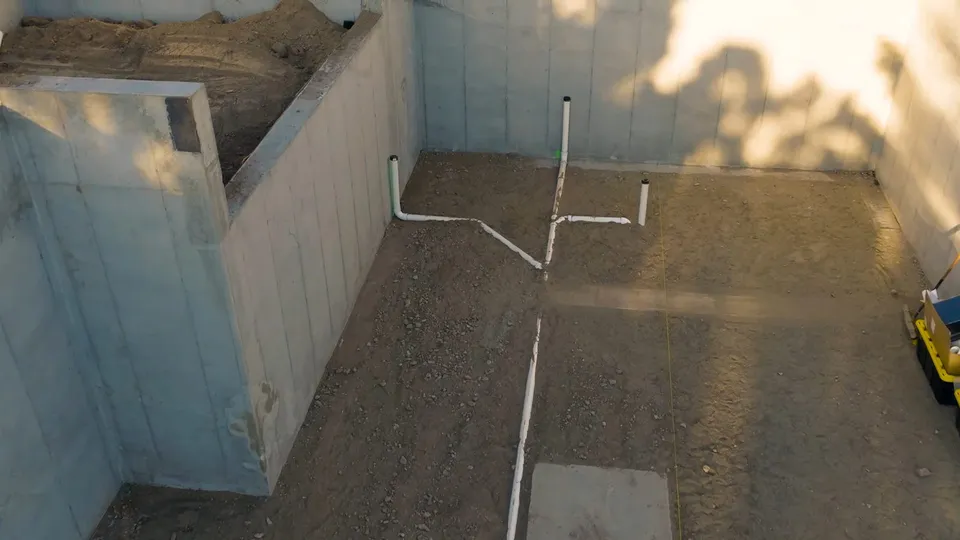
Why basement plumbing in Parker requires planning before construction
Basement plumbing differs from the plumbing in the rest of a home because of one constraint: gravity. The main sewer lateral typically exits the house at or near the basement floor level, and any fixtures placed below that line cannot drain by gravity. Trying to add a bathroom below grade without accounting for this produces a bathroom that backs up as soon as it is used, which is not a rare outcome when the planning is skipped.
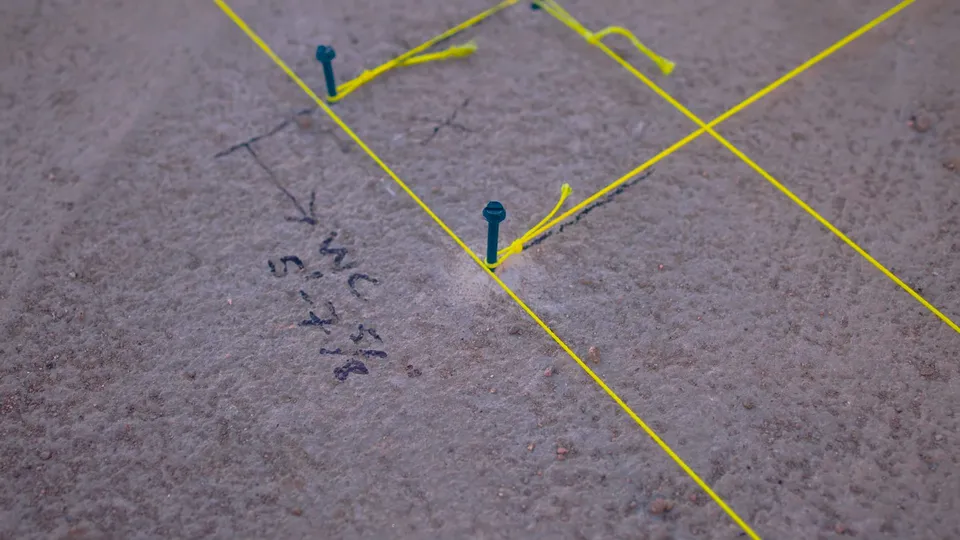
The time to address this is during the planning stage, before the framing goes up and certainly before any concrete is poured. Once a basement is framed and drywalled, cutting through the slab to add a drain in the right place and routing supply lines through finished walls costs significantly more than setting those runs during the rough-in. A plumber involved at the planning stage shapes the layout around the plumbing constraints rather than working around a finished space.
The systems a finished Parker basement typically needs
The sewage ejector system
An ejector pump in a sealed basin handles waste from any fixture that sits below the main sewer line, typically a toilet, a shower or tub, and sometimes a sink. The basin is sealed to contain sewer gas and vented through the roof. The pump lifts waste up to the main lateral on demand. Sizing the pump to the number of fixtures it will serve determines whether the system handles heavy use reliably or struggles under load.
The sump system alongside
Many Parker homeowners finish the basement with a bath and add or upgrade the sump pump in the same project. The two systems are completely separate: the sump handles groundwater under the floor, the ejector handles sewage from the fixtures. Planning them together ensures neither system is compromised by the other and that the pit locations work with the basement layout.
Supply and vent rough-in
Supply lines for the bath bring hot and cold water from the existing system. Vent lines carry sewer gas safely out through the roof, which is a code requirement for every drain in the home. A plumber routes both during rough-in so they land in the right place for the chosen fixture layout, with valves at accessible points for future service.
Permits and inspection in Parker basement projects
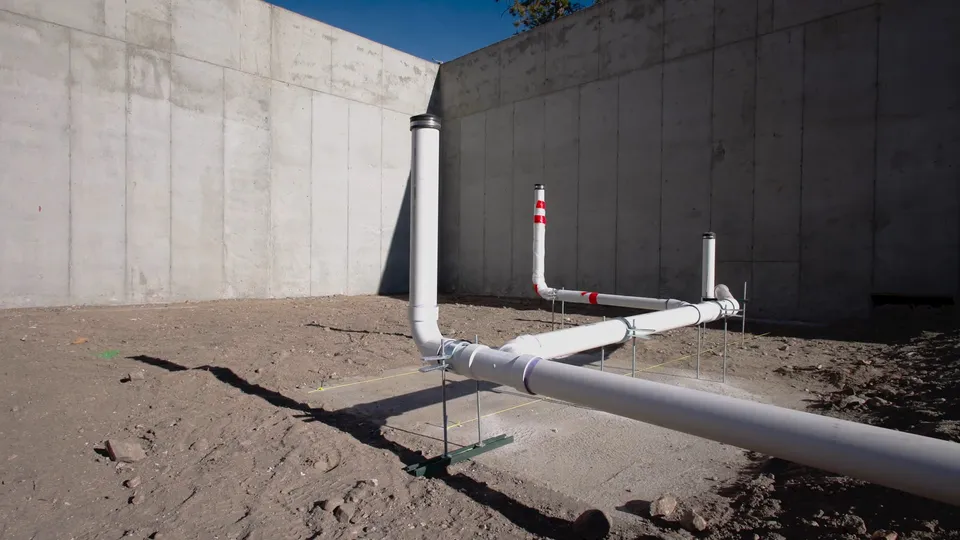
A basement bathroom in Parker requires a permit through Town of Parker Community Development and a plumbing inspection through the Douglas County process. The inspection confirms drain slope, vent sizing and routing, ejector sizing, proper sealing of the basin, and the connection to the existing lateral. Work that passes inspection is on record with the town and does not create problems at resale.
Unpermitted basement bathrooms are not uncommon in the Parker housing stock, often added by previous owners on a cost-cutting basis. They tend to surface during home inspections and can complicate or delay a closing. If a home already has an unpermitted basement bath, bringing it into compliance through a permit and inspection is the cleanest resolution.
Wet bars and basement laundry
A wet bar in a finished Parker basement needs a supply line and a drain. Whether the drain needs a pump depends on the bar's position relative to the main sewer lateral, which a plumber confirms during planning. A bar sink that can gravity-drain keeps the system simple. One that cannot requires either an ejector addition or a smaller under-counter macerating pump, both of which a plumber can incorporate into the basement plumbing plan.
Basement laundry is similar. A washing machine drain at below-grade level needs a pump to lift the drain water to the sewer line. Many Parker homeowners run laundry in the basement utility room already, where a floor drain and existing rough-in may accommodate a washer, depending on how the original plumber set it up. A plumber checks the existing rough-in before planning any additions.
Frequently asked questions
Does every Parker basement bathroom need an ejector pump?
It depends on whether the fixtures sit below the main sewer line. In most Parker homes, the main lateral exits the house near the basement floor level, and a bath below that line cannot gravity-drain to the sewer. An ejector pump in a sealed basin lifts the waste to the main line. A plumber confirms the relative height of the fixtures and the sewer line before planning the system.
When during a basement finish should the plumbing be done?
Before the framing goes up and well before any concrete is poured. Drain lines in a finished basement often require cutting or core-drilling through the existing slab at specific locations, and that work is far easier before the space is framed. Supply lines can sometimes be run after framing, but setting the rough-in drains and the ejector basin early prevents expensive rework.
Do I need a permit for a Parker basement bathroom?
Yes. A basement bathroom in Parker is filed through Town of Parker Community Development and inspected through the Douglas County process. The inspection confirms venting, drain slope, ejector sizing, and connections to the existing system. This paperwork matters both for safety and when the home is sold, since an unpermitted bath can complicate a sale or a refinance.
What is the difference between a sump pump and an ejector pump?
A sump pump moves groundwater out of the basement pit to keep the floor dry. It handles water only, not sewage. A sewage ejector pump in a sealed basin lifts the waste from a basement toilet, shower, or sink up to the main sewer line. Most finished Parker basements with a full bath need both: a sump system for groundwater and an ejector system for the bath waste.
Can you add a wet bar without an ejector pump?
A wet bar sink that drains above the sewer line can gravity-drain without a pump, though this depends on the specific layout of the home. A plumber checks the relative heights of the bar sink drain and the main lateral. If the drain sits above the lateral, gravity works. If it sits below, an ejector or a smaller macerating pump is needed.
Need a plumber?
Planning a Parker basement finish?
A licensed Parker plumber can plan the ejector, sump, and bath rough-in before construction starts. Call for an upfront price.