
Parker plumbing guide
How to Prevent Frozen Pipes in Parker, CO
Parker winters drop below zero for stretches of December through February. The pipes most likely to freeze are the ones in unheated spaces, and a few inexpensive steps before the first hard freeze keep them safe.
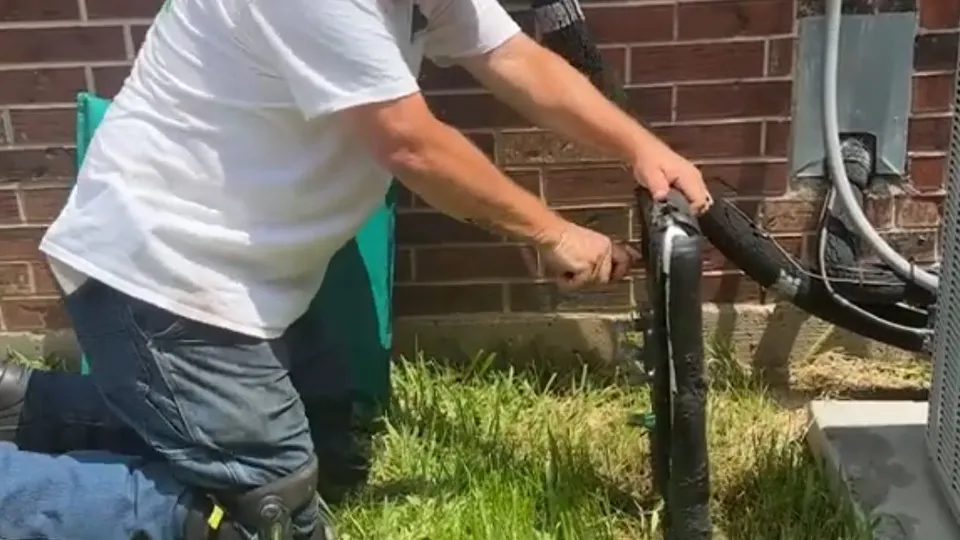
Why Parker pipes freeze: the conditions that matter
Parker sits at roughly 5,900 feet in the Colorado Front Range, and winter nights routinely drop below zero. The town averages around 45 nights per year at or below freezing, but the risk is concentrated in the cold snaps that arrive in December and January when temperatures stay low for several consecutive nights and wind moves through uninsulated cavities. A pipe freeze in Parker is not a freak event. It is a predictable failure that happens in predictable places.
The pipes that freeze first are not random. They are the ones in unheated basements, garages, and utility rooms. The ones that run through exterior walls where insulation has settled or was never adequate. The outdoor hose bibs on every home in town. And the lines that run through an unconditioned crawl space or attic in homes that have those configurations. Knowing where the vulnerable spots are is the first step to protecting them.
Steps that protect pipes before the cold arrives
Most of these are one-time or seasonal tasks. A few hours before the first hard freeze avoids a burst pipe in the middle of the night when temperatures hit the single digits.
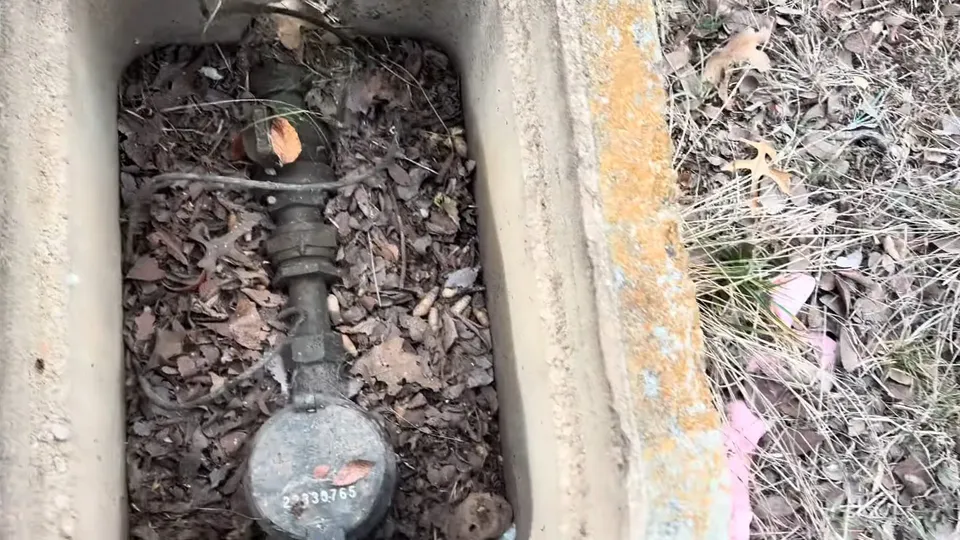
Insulate exposed basement and garage runs
Foam pipe insulation from the hardware store slides onto bare pipe in minutes. Focus on the sections of supply line that run along basement exterior walls, through the garage, or in any space that dips below 40 degrees in cold weather. Any length of bare copper or PEX in contact with cold air is a candidate.
Disconnect hoses and upgrade hose bibs
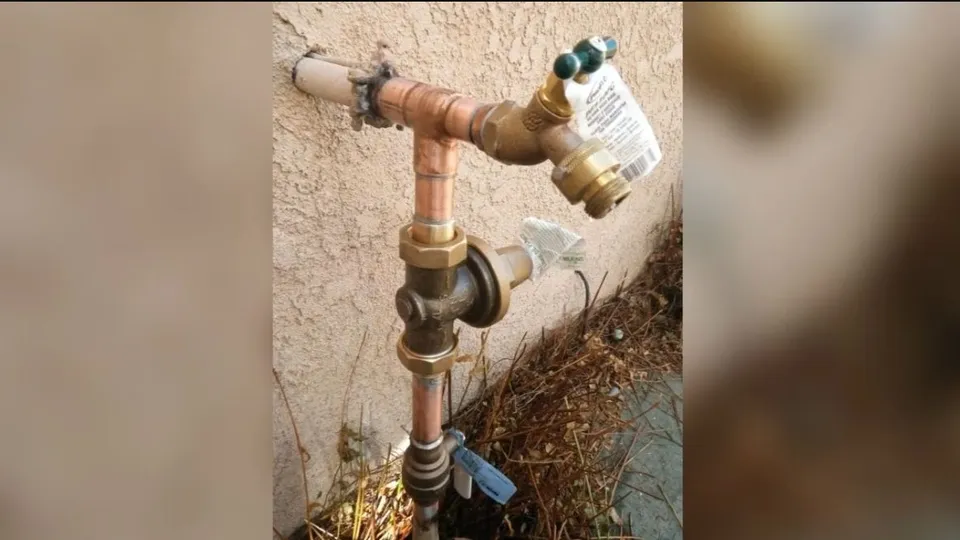
A garden hose left attached to an outdoor faucet traps water in the spigot and the wall behind it. Disconnect every hose before the first freeze of the season. If the existing hose bibs are standard (not frost-free) models, having a plumber replace them with frost-free bibs is the permanent fix, since it moves the shutoff inside the heated wall.
Add heat tape to chronic trouble spots
Heat tape plugs into a standard outlet and wraps around a pipe section that freezes every year. It draws a small amount of power and keeps the line above freezing even on the coldest nights. A thermostat-controlled version is safer and more energy efficient than a always-on tape. Follow manufacturer instructions for spacing and avoid overlapping the tape on itself.
During a cold snap: what to do while temperatures are below zero
When a forecast shows several consecutive nights at or below zero, a few habits reduce the risk of a freeze:
Keep cabinet doors under sinks on exterior walls open so warm room air can reach the supply lines. Let a trickle of water run from faucets served by the most vulnerable runs, since moving water is harder to freeze than standing water. Keep the thermostat at 55 degrees or higher even in a vacant home, since the pipes do not know you are out of town and the heat bill for a week is far less than a burst pipe.
If a pipe does freeze, open the faucet before you try to thaw, then warm the pipe gently from the faucet side toward the freeze. If the water does not return after a few minutes of thawing effort, or if you cannot locate the freeze, call a plumber. A frozen pipe that has split may not show any sign of the damage until it thaws and water begins to move.
Special considerations for Parker homes
Homes in The Pinery and the rural parcels along Stroh Road and Hilltop Road sit at slightly higher elevations and with more open exposure than the core neighborhoods, which means colder overnight lows and more wind-driven cold moving into wall cavities. Barn and stable water lines on equestrian properties are especially vulnerable and benefit from heat tape and frost-free hydrants designed for agricultural use.
Vacant and seasonal homes are in a separate category. A house that drops below 55 degrees because the thermostat was set too low before the owners left can freeze within 24 hours during a hard cold snap. The safest approach for a home left unoccupied through a Parker winter is a professional winterization: draining the supply lines, blowing out the fixtures, and shutting off the main. A plumber handles the winterization in one visit so there is nothing to freeze while the house sits empty.
Frequently asked questions
At what temperature do pipes freeze in Parker?
Pipes can freeze when sustained outdoor temperatures drop below 20 degrees Fahrenheit, which is common in Parker from December through February. The real risk is the overnight low combined with wind, since a pipe in an exterior wall with cold air moving through the wall cavity can freeze faster than the outdoor air temperature alone would suggest.
How do I know if a pipe is already frozen?
A faucet that runs dry when others in the house still work, especially after a night below zero, is the clearest sign. Frost visible on an exposed pipe confirms it. If you suspect a freeze, open the faucet before you attempt to thaw, so the melting water has somewhere to go and pressure does not build in the line.
Can I thaw a frozen pipe myself?
Yes, in some cases. A space heater or hair dryer aimed at the accessible, frozen section works safely. Never use an open flame, propane torch, or heat gun at close range, since those crack pipes and start fires. If you cannot locate the freeze or the pipe is in a wall, call a plumber rather than guessing.
Are newer Parker homes less at risk of frozen pipes?
Not necessarily. Pipe location matters more than home age. A 2015 build with plumbing in an under-insulated garage or an exterior wall is just as vulnerable as a 1992 home with the same problem. The difference is whether a pipe runs through a cold space, not when the house was built.
What is a frost-free hose bib and should I have one?
A frost-free hose bib places the shutoff point inside the heated wall rather than at the outdoor spigot, so no water sits in the exposed stub-out when the valve is closed. Every Parker home should have them. A standard hose bib with a garden hose left attached in winter is one of the most reliable ways to produce a cracked fitting and a flooded basement.
Need a plumber?
Frozen pipe or just want to protect your home?
A licensed Parker plumber can insulate, install heat tape, and upgrade your hose bibs before the next cold snap.