
Parker plumbing guide
How Hard Is Parker's Water and What Does It Do to Your Pipes?
Parker Water and Sanitation District supply is hard. The Front Range geology that makes the water taste clean also loads it with calcium and magnesium that scale pipes, shorten water heater life, and wear out fixtures ahead of schedule.
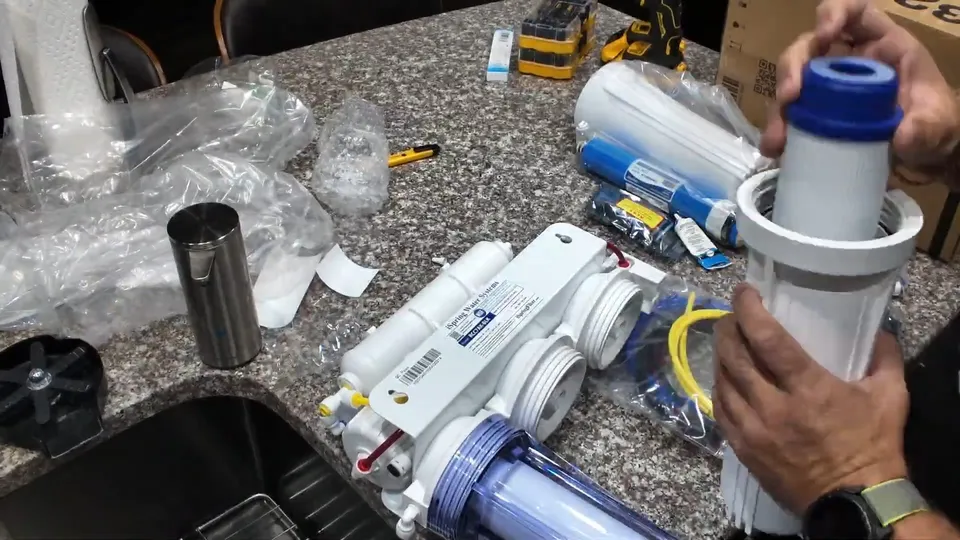
Where Parker's hard water comes from
Parker Water and Sanitation District draws from several sources: the Rueter-Hess Reservoir on Cherry Creek, alluvial wells along Cherry Creek, the Denver Basin deep aquifer, and the WISE pipeline from Aurora. Each source carries mineral content picked up from the Front Range geology, and the blend that arrives at the tap is moderately to very hard depending on the time of year and the source mix in use.
The Pinery Water and Wastewater District, which serves the golf-course community southeast of Parker, reports hardness around 210 parts per million. Private wells in The Pinery and rural Parker parcels often run harder than either municipal source and may also carry iron, which stains fixtures and tastes metallic. The common thread across all of these is that Parker households are dealing with water that is significantly harder than what plumbing manufacturers design their products for in softer-water regions.
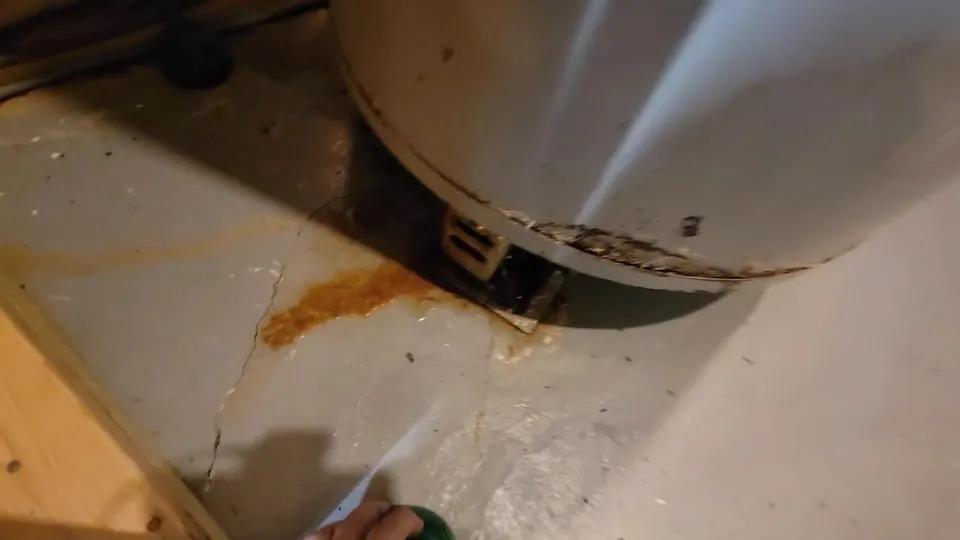
What hard water does to plumbing over time
Water heaters
Calcium and magnesium settle from hard water as it heats, forming a layer of sediment on the bottom of a tank water heater and on the heat exchanger of a tankless unit. That sediment acts as an insulator between the burner and the water, forcing the unit to work harder and longer to reach temperature. A tank that rumbles, pops, or runs longer than it used to is communicating the scale load it is carrying. A water heater in hard Parker water that is never flushed or descaled will fail years before its rated service life.
Aerators, showerheads, and cartridges
The small screens and orifices in aerators and showerheads are the first places scale becomes visible. Hard water leaves a white or grey crust after every drop evaporates, and over months that crust chokes the flow and reduces pressure at the fixture. Inside faucet cartridges, scale builds on the valve seat and the cartridge body, causing stiff handles and eventually producing the drip that refuses to stop even after the faucet is fully closed.
Pipes
Over the course of years, scale deposits on the interior walls of copper supply lines can measurably reduce the bore of the pipe, lowering flow rates and water pressure throughout the home. This is a slow process, but it is observable in Parker homes from the late 1980s and 1990s where original copper has been carrying hard water for three decades or more. The deposits also change the chemistry at the pipe wall in ways that accelerate certain types of corrosion.
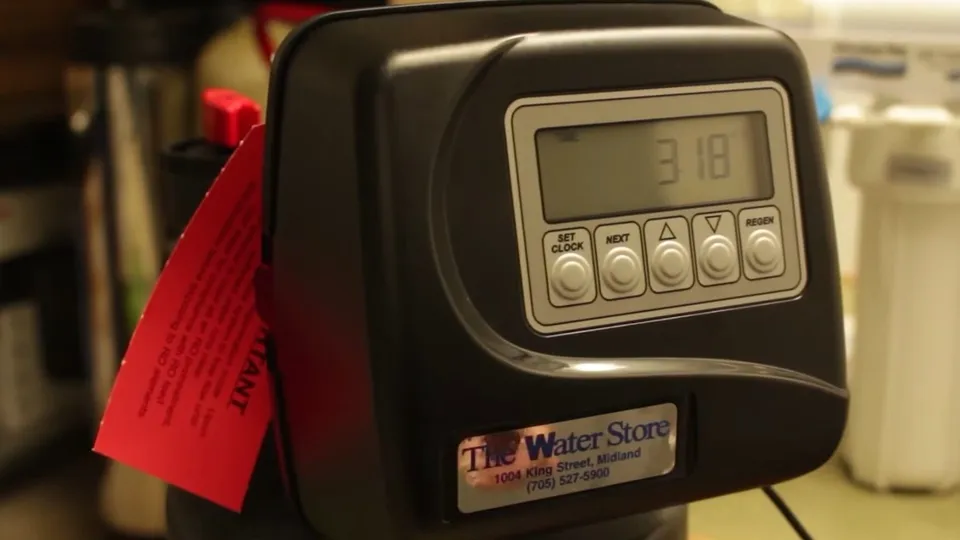
What to do about hard water in Parker
Hard water is not a health concern. PWSD supply meets all Safe Drinking Water Act standards, and the calcium and magnesium in it are harmless to consume. The issue is entirely on the infrastructure side: what those minerals do to pipes, fixtures, and appliances over years of contact. The health-safe water that Parker residents drink is the same water that is slowly scaling the inside of every appliance it passes through.
The most effective approach is treating the water at the point it enters the home so every fixture, appliance, and pipe downstream runs on softened water. A salt-based ion-exchange softener removes the calcium and magnesium before they reach the first fixture. Paired with a carbon filter for chlorine and taste, this combination addresses most of what Parker homeowners notice about their water quality.
Annual water heater maintenance matters regardless of whether a softener is installed. A flush removes the sediment that has accumulated, which restores efficiency and extends the life of the tank. For tankless units, an annual descale with a citric acid solution clears scale from the heat exchanger and prevents the error codes that hard Parker water eventually causes in units that are never serviced.
For well-water homes in The Pinery and rural Parker, a water test is the right first step. Iron, sediment, and hardness each require a different treatment stage, and sizing the system to the actual water rather than a generic recommendation ensures the treatment matches the problem.
Frequently asked questions
How hard is Parker's water?
Parker Water and Sanitation District supply typically measures in the range of moderately to very hard, commonly between 8 and 12 grains per gallon depending on the source blend at a given time. The Pinery Water and Wastewater District supply runs around 210 parts per million, which the district itself describes as moderately hard. Private wells in The Pinery and rural areas often run harder than either municipal source.
Will a water softener fix my hard water problems?
A salt-based water softener removes the calcium and magnesium ions responsible for scale, which addresses the root cause of most hard-water problems: the buildup in water heaters, the clogged aerators, the stiff faucet cartridges, and the scaling inside pipes. It will not remove chlorine, improve taste, or filter other contaminants, which is where a filter paired with the softener adds value.
Does hard water void my water heater warranty?
Some manufacturers specify maximum hardness levels in their warranty terms and may exclude damage caused by hard water or a failure to install a water softener. It is worth reviewing the warranty document on a new heater, especially in Parker where the water is hard enough to cause measurable sediment buildup within the first few years of operation.
Can I tell if my water is hard without a test?
Yes, by observation. White or grey residue on faucets, showerheads, and the coffee maker after the water evaporates is mineral scale from hard water. Soap that does not lather well, stiff laundry, spotted dishes from the dishwasher, and a water heater that rumbles or pops are all signs. A plumber or a water treatment company can confirm the hardness level with a simple test.
What is the difference between a softener and a filter?
A water softener uses ion exchange to remove hardness minerals and is the tool for scale, sediment buildup, and appliance wear. A filter removes chlorine, chloramines, taste and odor compounds, and in some cases sediment or specific contaminants. Many Parker households benefit from both: a softener at the entry point to handle hardness, and a carbon filter to handle chlorine and taste.
Need a plumber?
Dealing with hard water in your Parker home?
A licensed Parker plumber can recommend a softener and filtration system matched to your actual water, not a one-size kit.