
Parker plumbing guide
Repiping from Copper to PEX: When Parker Homes Need It
Most of Parker's housing went up between 1985 and 2010. The copper in those homes has been carrying hard PWSD water for two to four decades, and many are now showing the pinhole pattern that signals a repipe is the more economical answer than continued repairs.
How copper fails in Parker's water over time
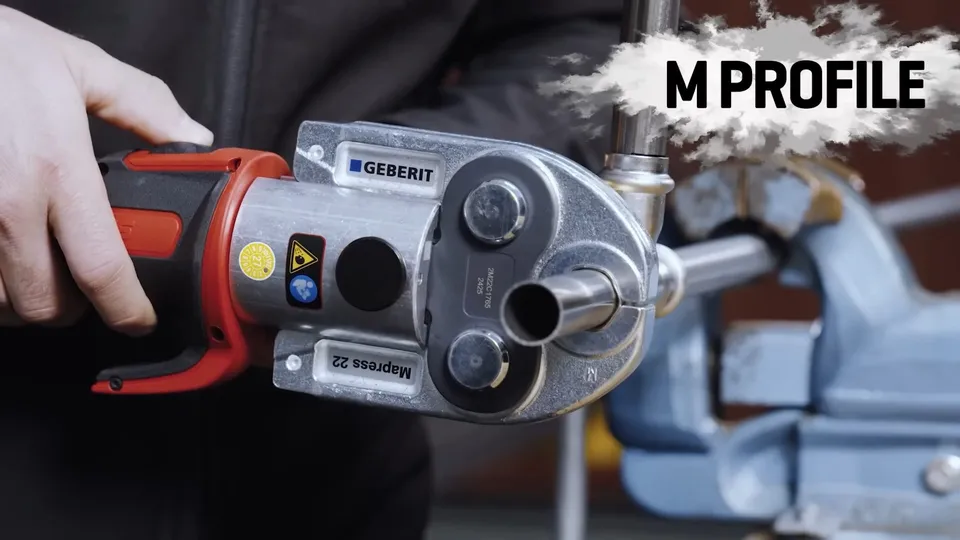
Copper supply pipe has a long service life in neutral water conditions. In the hard, slightly corrosive water that Parker Water and Sanitation District delivers, the timeline shortens. Hard water carries calcium and magnesium at concentrations that react slowly with the interior copper surface, a process that over years creates pinhole-sized perforations in the pipe wall.
These pinholes do not appear at fittings or connections, where a leak would be expected. They appear in the middle of a straight pipe run, in a wall or ceiling, where the leak is invisible until the moisture finds the drywall and a stain appears. The first pinhole is often diagnosed as bad luck. The second one, six months later and two rooms over, starts to tell the real story.
Three pipe types that call for repiping in Parker
Aging copper with a pinhole pattern
Original copper in a Parker home built between the late 1980s and early 2000s is now 25 to 40 years old in hard water. Multiple pinholes across the home over a short period are the signal that the pipe wall has reached the failure stage throughout, not in isolated spots. Each repair addresses a symptom, but the cause remains and the next pinhole is already forming.
Polybutylene pipe
Some Parker homes built in the late 1980s and into the early 1990s were plumbed with polybutylene, a grey plastic pipe that was common during that era before its failure mode was widely understood. Polybutylene degrades from exposure to chlorinated water and fails internally before any external sign appears. It is difficult to insure in some markets, and replacement with PEX is the standard recommendation when it is identified.
Galvanized steel in older stock
Some of Parker's oldest housing, including properties near the Mainstreet corridor built before the master-planned community era, may have original galvanized steel supply lines. Galvanized corrodes from the inside out, narrowing the bore until pressure drops throughout the home, then failing at the rust-weakened spots. By the time pressure noticeably drops, the pipe is usually near the end of its life.
Why PEX is the standard replacement material
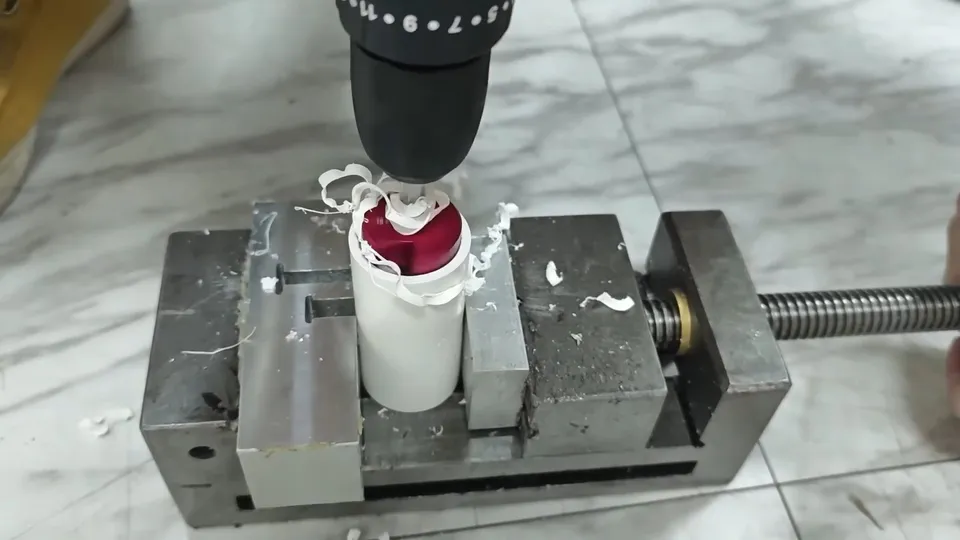
PEX has become the default replacement for failing copper, galvanized, and polybutylene in Parker repipes for three reasons. First, it does not develop the hard-water pinholes that end copper's service life in this climate. Second, it is flexible, which means it can be routed through Parker's typical finished basement layouts with less wall disruption than rigid copper. And third, its flexibility gives it better resistance to the freeze stress that splits rigid copper in a Parker sub-zero cold snap.
A home-run manifold system, where an individual PEX line runs from a central manifold to each fixture, adds two more practical advantages: consistent pressure at every fixture regardless of what else is running, and an individual shutoff at the manifold for each line, so a fixture can be serviced without turning water off to the whole house.
Planning a repipe in a Parker home
Timing a repipe around Parker's finished-basement standard takes planning. A plumber assesses the home's layout before starting and routes the new PEX to open as little wall and ceiling as possible. The basement ceiling is often the primary routing path in Parker homes, since it provides access to the supply runs feeding the first floor without opening interior walls. Fixtures on the second floor are reached through closets, utility chases, or small ceiling openings that are patched after the pipe is in.
The right time to repipe is before the next pinhole, not after. A plumber who sees a second or third pinhole in a Parker home on original copper can give you a frank assessment of whether the remaining pipe is likely to last another five years. In most cases it is not, and the economics of a planned repipe on a schedule the homeowner controls are better than an emergency repipe after the fourth leak causes water damage.
Frequently asked questions
How do I know if my Parker home needs repiping?
A pattern of pinhole leaks across different locations in the home is the clearest signal. A single pinhole is a repair. Two or three pinholes in two years on the same original copper system is evidence that the pipe is wearing out, not that you have had bad luck. Galvanized pipe that has reduced pressure throughout the house and polybutylene pipe that is failing are also strong candidates for a full repipe rather than continued patching.
Why does PEX handle hard water better than copper?
PEX is a cross-linked polymer that does not react with the minerals in hard water the way copper does. The hard water pinholes that develop in Parker copper over time are the result of a slow electrochemical process between the water chemistry and the copper surface. PEX does not participate in that reaction, which is why the pinhole failure mode that affects 30-year-old Parker copper is not expected to appear in PEX pipe at the same age.
Will repiping tear up my whole house?
A skilled plumber limits the disruption significantly through careful routing and access planning. In a Parker home with a full basement, a lot of the PEX supply runs can be run through the basement ceiling and ceiling of the first floor, accessing each fixture from below rather than opening walls. The drywall work that does happen is targeted and patched as part of the job. A plumber who does a lot of Parker repipes knows the common home layouts and plans the routing to minimize what comes down.
What is a home-run manifold and should I get one?
A home-run manifold is a central hub from which an individual PEX line runs to each fixture in the house, rather than branching off a main trunk line. Each fixture has its own dedicated supply, which provides consistent pressure even when multiple fixtures run simultaneously, and each has its own shutoff at the manifold, so a faucet can be serviced without shutting water off to the whole house. Most plumbers recommend the home-run approach for a new PEX repipe.
How long does a whole-home repipe take in Parker?
A typical Parker home with two or three bathrooms, a full basement, and the usual layout of a 1990s or 2000s construction takes two to four days from start to patched finish. Larger homes with more bathrooms or more complex layouts take longer. A plumber gives a realistic timeline after seeing the home, not before.
Need a plumber?
Seeing pinhole leaks in your Parker home?
A licensed Parker plumber can assess the pipe and give you an honest answer on repair vs repipe. Call for a firm quote before committing.