
Parker plumbing guide
Signs of a Slab Leak in a Parker Home
A slab leak under a Parker home announces itself quietly: a warm floor, a climbing water bill, or a faint sound of running water when everything is off. Catching it early matters because the repair only grows with time.
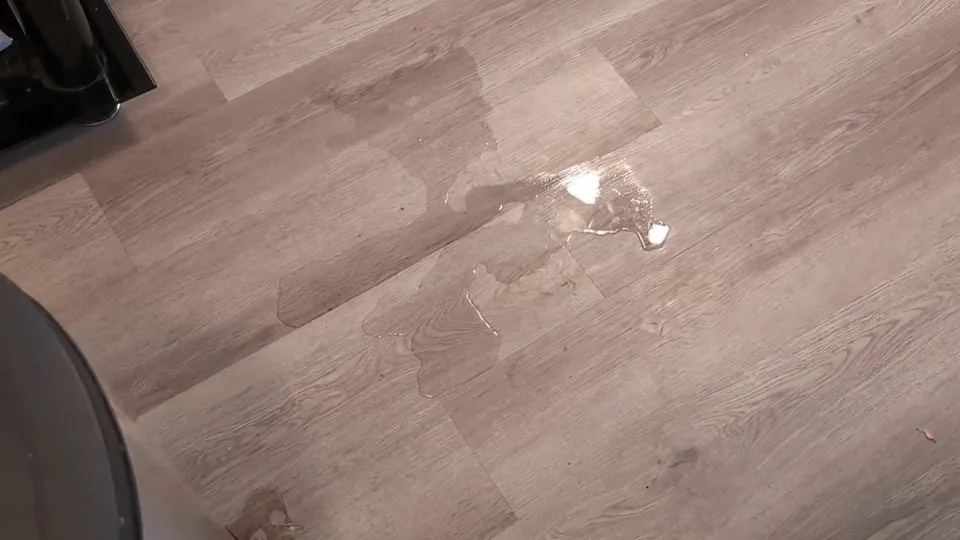
What a slab leak is and why Parker homes develop them
A slab leak is a break in a water supply or drain line that runs beneath the concrete foundation of a home built on grade. Most of Parker's older housing has basements, which places the plumbing above grade and eliminates the slab leak risk. But a meaningful share of Parker's newer infill construction, particularly in Idyllwilde and east Parker where the ground levels differently, is slab-on-grade. Those homes are now old enough for the first leaks to appear.
Parker's expansive bentonite clay soil is part of the equation. Clay swells when it absorbs moisture and shrinks when it dries, and that repeated movement over years stresses rigid pipe runs beneath the foundation. Connections that were tight when the home was built can open a fraction of an inch under that movement. On a pressurized supply line, that fraction of an inch becomes a slab leak.
The warning signs to watch for
A warm or hot spot on the floor
A hot-water supply line leak beneath a slab warms the concrete and the flooring above it, creating a warm spot that feels noticeably different from the surrounding floor. This is often the first sign a homeowner notices. It is also one of the most reliable, since the location of the warm spot is usually close to the location of the leak.
A water bill that climbs without explanation
A Parker Water and Sanitation District bill that rises month over month with no change in household habits is a clear signal that water is going somewhere. A slow under-slab leak adds gallons per day to the bill before it ever shows on the surface. Comparing two or three consecutive bills against the same period from the prior year shows the trend clearly.
The sound of running water when nothing is on
A pressurized supply line leaking under a slab produces a faint hissing, rushing, or trickling sound that is most audible in a quiet house at night. It is often heard near the floor in a kitchen, bathroom, or utility room. If shutting off every fixture and appliance in the house does not stop the sound, water is moving somewhere it should not be.
Mildew, cracks, and the meter test
Two other signs that show up in slab homes with leaks: unexplained mildew or a musty smell in a room without an obvious moisture source, and new cracks in the flooring or baseboards without a clear cause. Both can be produced by water migrating under and through a slab over time, softening the substrate and creating movement in the surfaces above.
The simplest self-test for a suspected slab leak is the meter check. Shut off everything in the house that uses water and go to the PWSD meter box at the street. If the dial or digital display is still moving, water is leaving the system somewhere between the meter and the house, which includes under the slab. This test does not locate the leak, but it confirms that one exists and rules out a dripping faucet or running toilet as the cause of the bill increase.
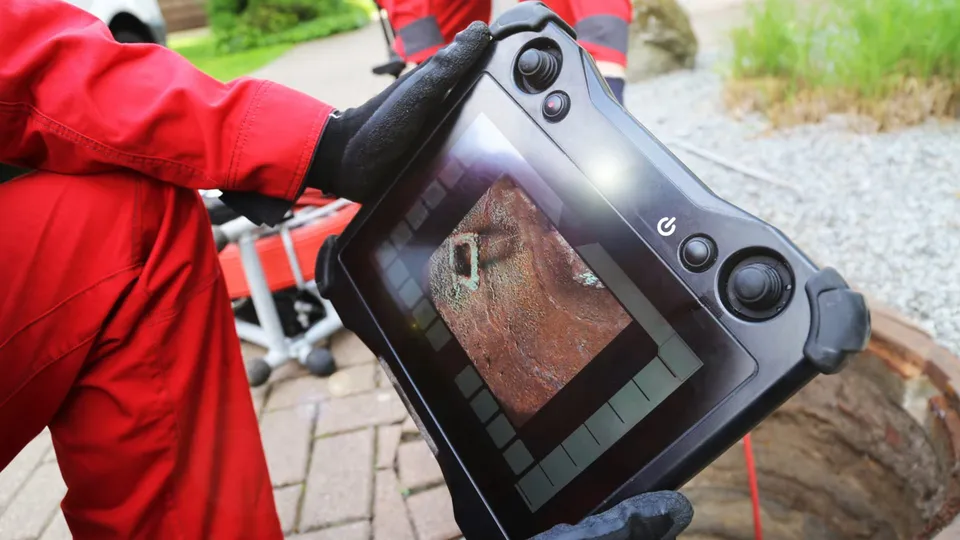
Professional detection uses acoustic listening equipment to hear water escaping through concrete and thermal cameras to map the heat signature of a hot-water leak. Together they locate the source without opening the floor, so the repair targets only what it has to.
Clay soil and slab leaks: a longer-term view
Parker's bentonite clay is not going to stop moving. That means the conditions that stress under-slab pipe runs in newer construction will continue over the life of those homes. The pipe choices matter: PEX is more flexible than rigid copper and handles the movement better, which is why a reroute through walls or the attic, using PEX, is often the lasting answer on a slab home that has already had one leak. It takes the supply line out of the shifting environment beneath the foundation and puts it somewhere the clay cannot reach.
Frequently asked questions
Are slab leaks common in Parker?
Less common than in cities with a long history of slab construction, but not rare. Most older Parker stock has basements, but newer infill and some 2000s and 2010s construction in areas like Idyllwilde and east Parker is built on slab. As those homes age and Parker's clay soil continues to shift foundations, under-slab leaks are appearing more regularly.
How much does slab leak detection cost in Parker?
Detection typically runs between $250 and $600 depending on how much of the home needs to be covered. The cost is separate from the repair, which ranges from a spot fix at $600 to $2,000 to a full reroute at $1,500 to $4,000 depending on what the detection finds.
Can I ignore a small slab leak?
A slow slab leak is not a problem that waits patiently. Water migrating under a slab can erode the soil beneath the foundation, leading to settlement. It feeds mold inside the slab and in the flooring above. And it continues to drive the water bill up every month until it is repaired. The earlier a slab leak is found, the smaller and cheaper the repair tends to be.
What is a reroute versus a repair?
A spot repair opens the concrete at the leak location, fixes the pipe, and patches the floor. A reroute abandons the under-slab run entirely and replaces it with a new line run through the walls or attic, taking the pipe out of the shifting clay foundation permanently. A reroute costs more but avoids a repeat leak on the same line.
Does homeowners insurance cover slab leaks in Parker?
It depends on the policy. Many standard policies cover the sudden damage resulting from a slab leak and the cost to access the leak, while excluding the pipe repair itself. Some exclude slab leaks entirely. A plumber documents the leak and the repair so you have a clear record to submit to your insurer, but the coverage decision rests with the policy terms.
Need a plumber?
Think you have a slab leak in your Parker home?
A licensed Parker plumber can locate it with acoustic and thermal tools before opening any concrete. Call for an upfront price.