
Parker plumbing guide
Tankless vs Tank Water Heater for a Parker Home
The choice between tankless and tank water heaters in Parker comes down to three things: your household's hot water demand, your tolerance for annual maintenance, and whether your gas line can handle the upgrade.
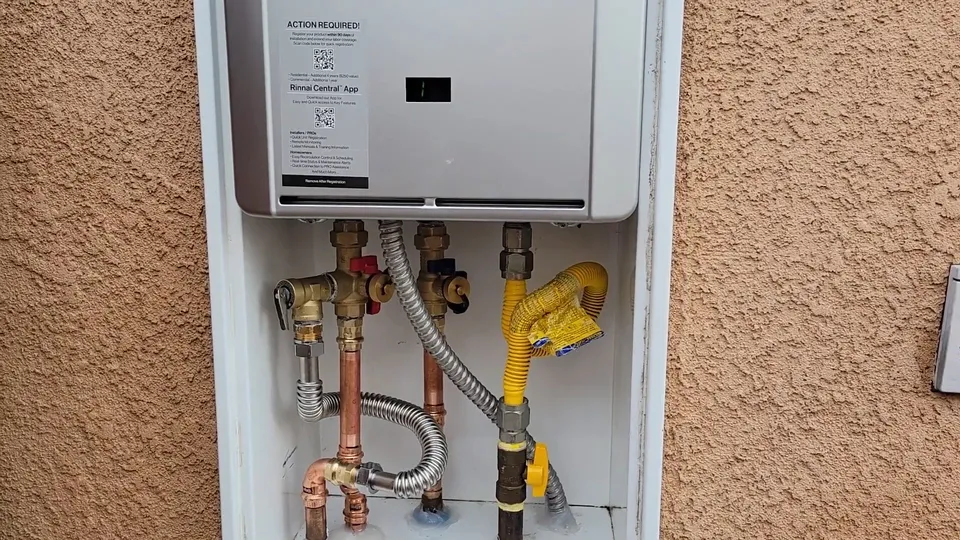
What each system does and how Parker conditions affect both
A tank water heater stores 40 to 80 gallons of preheated water, ready to draw. When hot water is used faster than the burner can reheat the tank, the household runs cold until recovery is complete. A tankless unit heats water as it flows through the unit, with no stored supply and no recovery time. In theory, it never runs out. In practice, the output rate limits how many simultaneous uses it can satisfy.
Parker conditions stress both systems in predictable ways. Hard PWSD water leaves sediment in tank heaters and scale on tankless heat exchangers. Cold incoming water in Parker winters, which sits lower than the national averages used in efficiency ratings, reduces a tankless unit's effective output rate and extends the time a tank takes to recover. Neither system avoids these conditions. The question is which system manages them better for a specific household.
The case for each in a Parker home
When a tank heater is the right choice
A tank heater costs less to install and requires no gas line upgrades in most cases. For a household with one or two bathrooms and predictable, sequential hot water use rather than simultaneous demand, a properly sized tank handles the job reliably and at lower upfront cost. Annual flushing and occasional anode rod replacement are the maintenance requirements, both of which a homeowner can learn to do or have a plumber handle in a single short visit.
A tank replacement is also simpler when the time comes. The existing gas connection, venting, and location all stay the same in most cases, which keeps the replacement cost lower than a first-time tankless installation.
When tankless makes more sense
A household with multiple bathrooms and simultaneous morning demand, including two or more showers running while the dishwasher cycles, is the strongest candidate for tankless. Endless hot water is not a marketing phrase in this context, it is a practical difference during the morning rush in a busy Parker family home with three or more bathrooms.
Larger homes in Stonegate, Bradbury Ranch, and The Pinery where utility room space is at a premium also benefit from the smaller footprint of a wall-mounted tankless unit, which frees floor space that was previously occupied by a tank.
The hard water variable: maintenance requirements differ
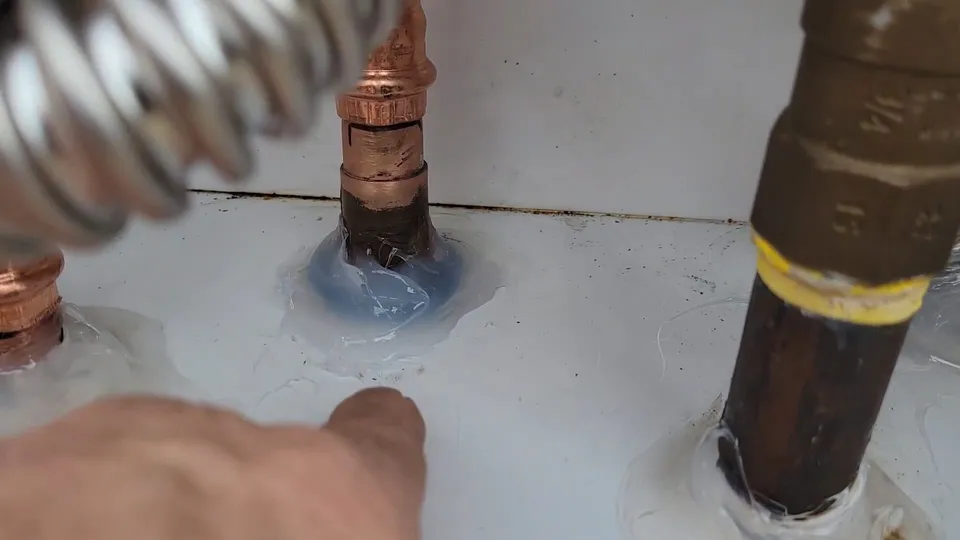
This is the part of the comparison that matters most in Parker. A tank heater in hard water needs an annual flush and periodic anode rod checks. A tankless unit in hard water needs annual descaling of the heat exchanger, which involves pumping a descaling solution through the unit with a small pump kit. Both are one-to-two-hour jobs, but the tankless descale requires more specific equipment and is more often handed to a plumber.
A tankless unit that is never descaled in Parker's water develops a thickening layer of scale on the heat exchanger that reduces efficiency, eventually triggers error codes, and can shorten the life of a system that is otherwise built to last twenty years. The maintenance is what protects the investment, and skipping it in hard water is how a twenty-year system becomes a twelve-year system.
What a tankless installation actually involves
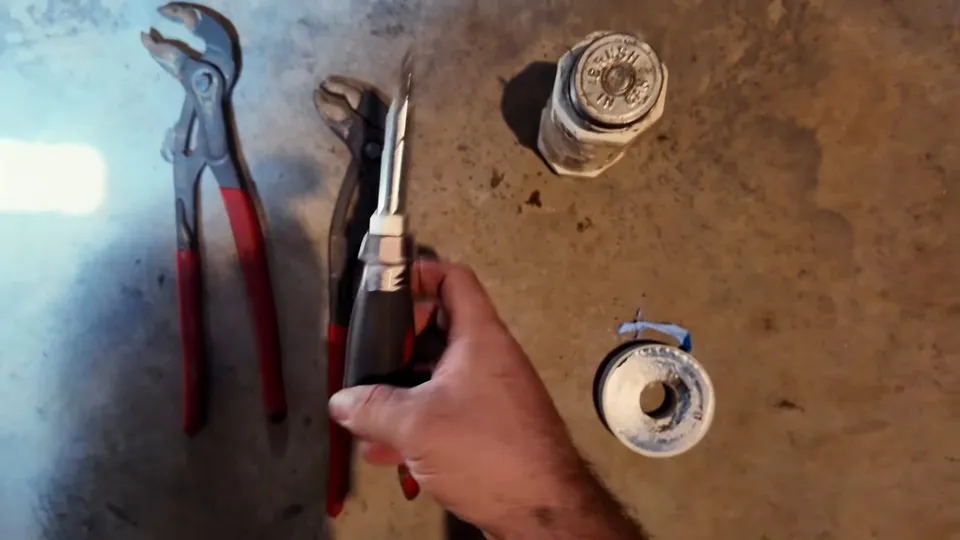
A tankless swap from a tank heater is not a simple one-for-one replacement in most Parker homes. The gas line that fed the old tank is usually sized for the lower demand of a storage heater. A tankless unit fires at a much higher rate, and the existing line often cannot supply enough gas at that flow rate. A plumber confirms the gas supply and upsizes the line where needed, which is an additional cost that belongs in the comparison from the start.
Venting also changes. A tankless unit typically uses a sealed two-pipe vent rather than a standard flue, which changes where and how the venting exits the house. Both the gas work and the venting change require a permit through the Town of Parker and a Douglas County inspection. A plumber handles that as part of the installation.
Frequently asked questions
Will a tankless water heater actually run out of hot water?
A properly sized tankless unit will not run out, because it heats water as it flows rather than drawing from a stored supply. The qualification is sizing: a unit that is too small for the household's peak simultaneous demand will struggle to keep up during morning hours when multiple showers overlap with the dishwasher and a load of laundry. Sizing by peak flow rate, not average daily use, is what prevents this.
Does Parker's hard water damage tankless water heaters?
Yes, if the unit is not descaled. Hard water leaves calcium deposits on the heat exchanger, which reduces heat transfer efficiency and eventually triggers error codes. In Parker's water hardness range, annual descaling with a citric acid solution is the maintenance that protects the investment. A tankless unit that is never descaled in hard water has a much shorter useful life than one that is serviced every year.
Why do I need a bigger gas line for a tankless heater?
A tankless unit fires at a much higher rate than a tank heater, drawing several times as much gas per minute during operation. The existing gas line feeding a tank heater is usually sized for that lower demand and cannot supply the peak flow that a tankless unit requires. A plumber confirms the existing line capacity and upsizes it where needed as part of the installation.
What is the cold-water sandwich in a tankless system?
It is a brief burst of cold water that comes out of a hot faucet before the tankless unit fires and heats the line. It happens when a faucet is used for a short time, turned off, and then turned on again quickly. The water in the pipe cooled between uses but the unit had not fired long enough to heat the line again. Recirculation systems eliminate it by keeping a small amount of hot water moving through the loop.
Does altitude affect tankless performance in Parker?
Yes. Cold incoming water in Parker winters is cooler than the national average on which output ratings are based, which lowers the effective flow rate a tankless unit can deliver. A plumber accounts for Parker's elevation and winter cold-water temperature when sizing the unit, which means the unit rated for a given household in Denver may need to be a size larger for the same household in Parker.
Need a plumber?
Thinking about tankless in Parker?
A licensed Parker plumber can confirm your gas supply, size the unit for winter cold water, and handle the permit. Call for an upfront comparison.