
Parker plumbing guide
Tree Roots and Your Parker Sewer Line
Established Parker neighborhoods have mature trees, and mature trees have root systems that find sewer laterals. Understanding how it happens, what the signs look like, and what the repair options are keeps a slow problem from becoming an emergency.
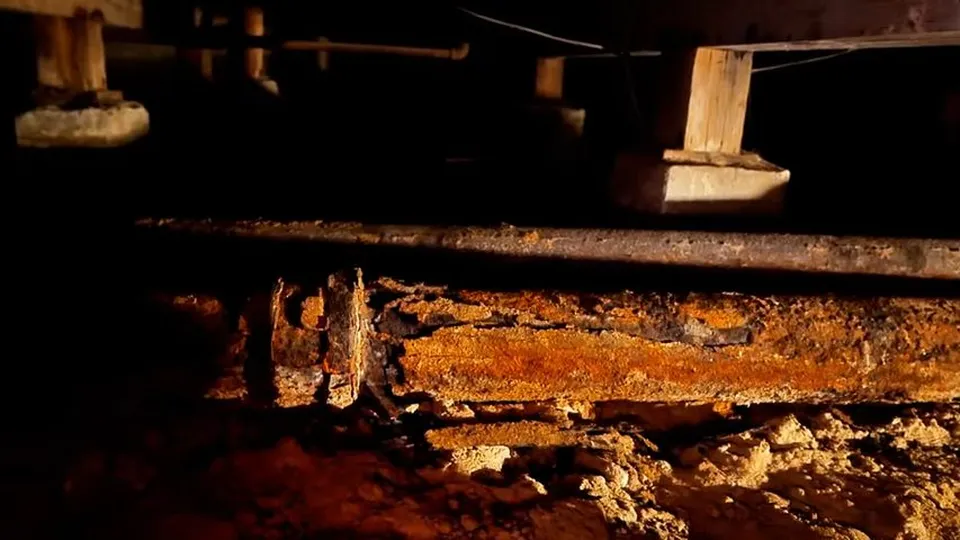
Why Parker sewer laterals are vulnerable to root intrusion
The question in an established Parker neighborhood is not whether tree roots will eventually find the sewer lateral, it is when. Given enough time, a cottonwood planted within root-zone distance of a clay-shifted pipe joint will find it. The practical goal is catching the intrusion early enough to clear and line rather than waiting until a backup forces a Saturday emergency call.
Two forces combine in established Parker neighborhoods to create ideal conditions for root intrusion. The first is the tree species. Parker's older neighborhoods, including Cottonwood, Stonegate, the streets near downtown, and the corridors along the Cherry Creek Trail, are lined with mature cottonwoods and willows. Both are aggressive-root species that actively seek moisture and organic material, which sewer laterals provide in abundance. The second force is Parker's expansive bentonite clay soil, which shifts with every wet and dry cycle, opening microscopic gaps at pipe joints that were watertight when the home was built.
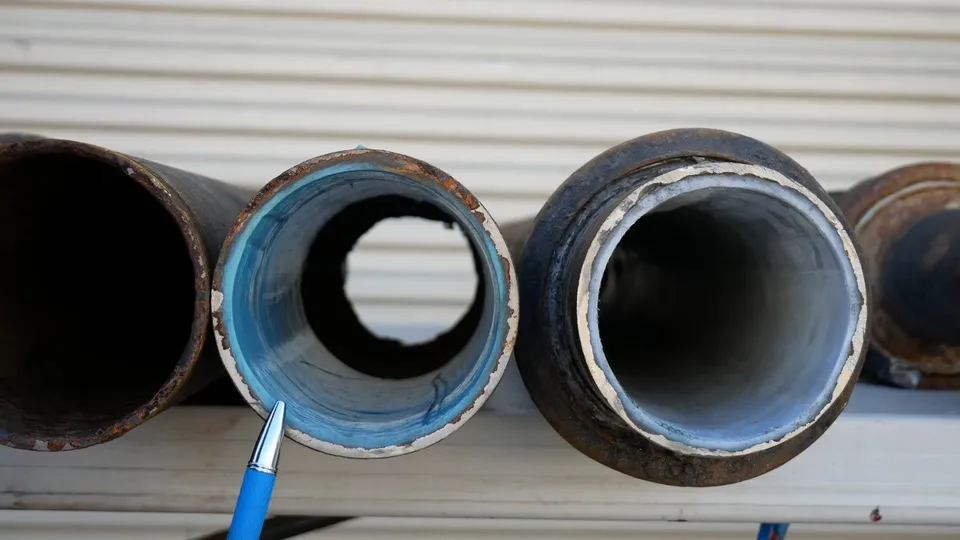
Once a root finds an opening, the conditions inside the pipe accelerate its growth. Warmth, moisture, and the nutrients in wastewater make a sewer lateral one of the most favorable environments a root system can enter. A root that entered a joint as a hairline tendril grows into a mass that fills the pipe cross-section, catches debris, and eventually blocks the drain entirely.
The progression from first root to backup
Stage one: entry at a joint gap
Clay soil movement opens a gap at a pipe joint, often a fraction of an inch. A feeder root from a cottonwood nearby finds it. At this stage there are no symptoms. The drain flows normally and nothing alerts the homeowner. The only way to catch stage one is a camera inspection, which is why pre-purchase inspections and proactive checks in tree-heavy neighborhoods are worth scheduling before there is a problem.
Stage two: growth and partial blockage
The root mass inside the pipe grows over months. The drain begins to slow, particularly after heavy use, as the roots catch toilet paper and debris. A cabling or jetting service at this stage clears the roots and restores flow. Without clearing, the mass continues to grow toward a full blockage.
Stage three: full blockage or pipe damage
A root mass that fills the pipe causes sewage to back up into the house, usually through the lowest fixture, the basement floor drain or the lowest toilet. At this stage, clearing restores flow, but a camera inspection typically shows either a pipe that can be lined or a section that has cracked under root pressure and needs replacement.
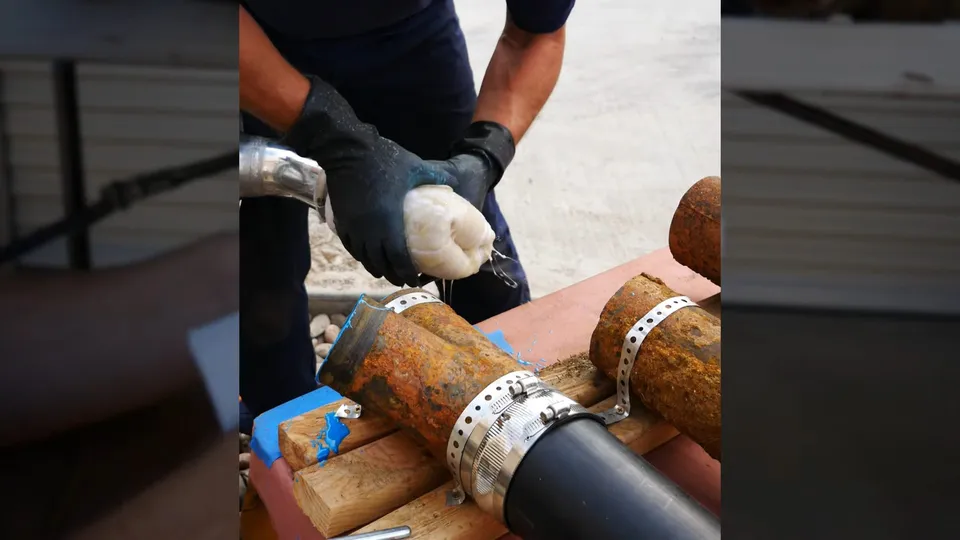
The repair options, in order of cost
Cabling clears roots mechanically and restores flow. It is the lowest-cost option and the fastest, but it does not address the gap the roots entered through. Regrowth typically occurs within one to two years in an active root zone.
Hydro jetting after cabling scours roots more thoroughly from the full pipe diameter and clears any debris the roots were catching. The pipe is cleaner after jetting than after cabling alone, but the entry gap is still open.
Cured-in-place pipe lining forms a new pipe inside the old one, sealing the joint gaps that roots entered through. It is the most effective way to address root intrusion without excavation when the pipe is still structurally sound. A plumber cameras the line after lining to confirm full coverage and a smooth interior.
Spot repair or replacement addresses sections where roots have cracked or offset the pipe beyond what lining can seal. A plumber locates the damaged section precisely and excavates only what is needed, rather than the full lateral.
Frequently asked questions
How do I know if tree roots are in my Parker sewer line?
A drain that backs up regularly despite clearing, multiple fixtures that gurgle or drain slowly at the same time, or sewage odors in the yard without an obvious source all point to the main lateral. A camera inspection is the only way to confirm root intrusion and see how far it has progressed. A plumber runs the camera down the cleanout and shows you the footage directly.
Which trees cause the most sewer line problems in Parker?
Cottonwoods are the primary culprit in established Parker neighborhoods. Their root systems are aggressive and far-reaching, actively seeking moisture and finding even the smallest gap in a pipe joint. Willows, planted in some Parker drainage corridors, behave similarly. Both species thrive in the moist conditions that a leaking sewer lateral creates, which accelerates the growth once roots enter the pipe.
Can tree roots be cleared without replacing the pipe?
In many cases, yes. A cable-cut followed by hydro jetting clears the roots from the pipe, and if the pipe wall is still sound, a cured-in-place liner can seal the gaps the roots entered through. This is the most cost-effective approach when the pipe body is intact and the intrusion is not too advanced. When roots have cracked or collapsed a section of pipe, that section needs to be repaired or replaced rather than just cleared.
How often do tree roots need to be cleared?
It depends on the species, the pipe condition, and whether the entry points have been sealed. In a pipe that has been cleared but not lined, roots often regrow toward the same gap within a year or two. Regular preventive clearing every twelve to eighteen months is common in Parker neighborhoods with mature cottonwoods. Lining the pipe seals the entry points and often extends the interval significantly.
Should I remove a tree that is threatening my sewer line?
Not necessarily as a first step. Many Parker homeowners have mature trees they value, and removal is a significant undertaking. A camera inspection and a lining, if the pipe is suitable, can coexist with the tree above. If the tree has already collapsed a section of pipe and the root intrusion is severe, removal may be part of the long-term plan, but it is worth understanding the pipe condition through a camera before making that call.
Need a plumber?
Slow drain or suspected root intrusion in Parker?
A licensed Parker plumber can camera the line and tell you exactly what is there before recommending a repair. Call for an upfront price.