
Parker plumbing guide
Water Heater Life in Parker: How Hard Water Shortens It
A water heater in a Parker home works against hard Front Range water from day one. Understanding what that water does inside the tank, and what stops it, is the difference between a ten-year heater and a six-year one.
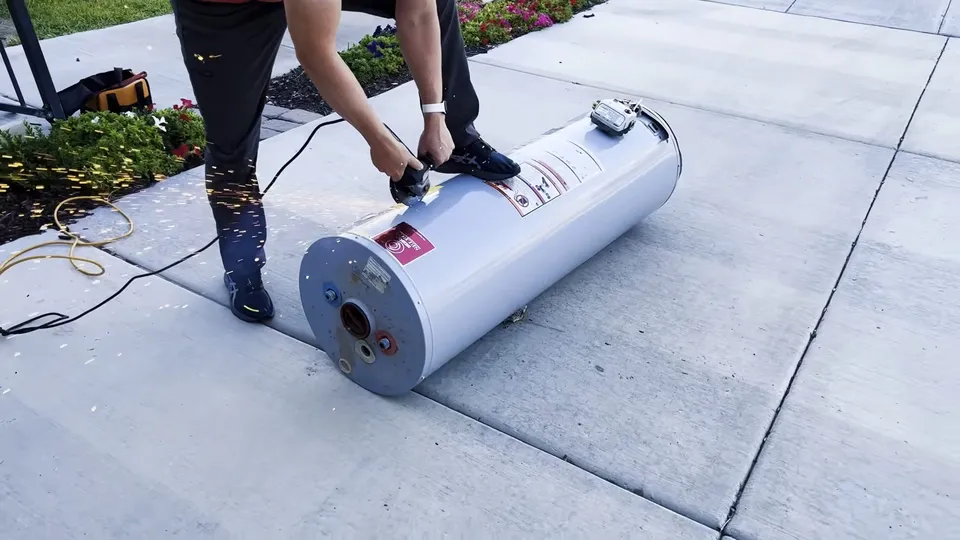
What hard water does inside a water heater
Every time PWSD water heats inside a tank, the calcium and magnesium that make it hard precipitate out of solution and settle on the bottom of the tank. This is not a slow process in Parker. A tank in hard water without regular flushing accumulates a measurable sediment layer within the first couple of years, and that layer grows thicker every year after.
The sediment acts as an insulator between the burner and the water. The burner, designed to heat water directly through the tank bottom, now has to push heat through an ever-thickening layer of mineral deposits. The unit runs longer, cycles more often, and uses more gas or electricity to reach the target temperature. The tank gets hotter at the bottom than it is designed to be, which accelerates corrosion of the steel shell. The rumbling and popping sound that Parker homeowners recognize as a sign of an aging heater is steam escaping through that sediment layer.
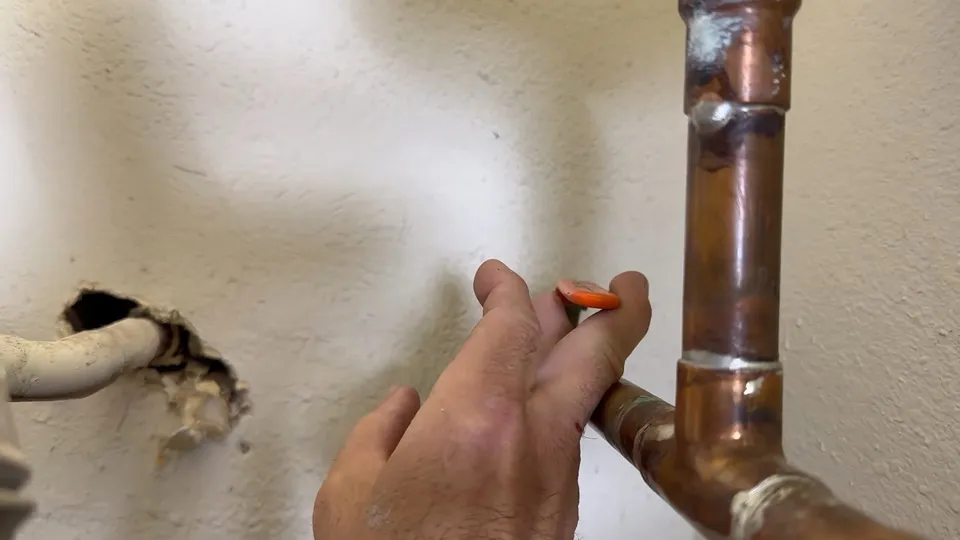
The two maintenance tasks that extend water heater life
Annual sediment flush
Draining a portion of the tank through the drain valve at the bottom clears the loose sediment before it has time to harden into a solid layer. A thorough flush also clears the fine grit that scratches internal surfaces as it circulates. Done every twelve months, a flush is the single highest-return maintenance task for a Parker water heater. Done after five years of neglect, it may stir up sediment that the tank cannot expel and damage the drain valve in the process, which is why starting early matters.
Anode rod inspection and replacement
The anode rod is a metal rod inside the tank that corrodes sacrificially to protect the steel shell. It is doing its job when it looks consumed. Hard water burns through an anode rod faster than soft water because the ions that the rod is reacting against are more concentrated. Inspecting the rod every three to four years and replacing it when it is more than half depleted protects the tank from the corrosion that causes leaks and premature failure.
Signs a Parker water heater is nearing the end of its life
Several indicators suggest a tank is closer to replacement than repair:
Rust-tinted water when first drawing hot water, especially from the water heater directly, means the tank interior is corroding. Once the steel begins to rust through, a water heater cannot be repaired, only replaced. A tank that is more than ten years old showing rust-tinted water is a replacement-soon situation.
A leak from the tank body, rather than from a fitting or valve, confirms internal corrosion has reached the outer shell. Any fitting can be replaced, but a corroded tank body cannot. A plumber who finds water pooling at the base of the unit from the tank itself will recommend replacement rather than repair.
Recovery time that has significantly increased, meaning the heater now takes much longer to bring a full tank to temperature than it used to, is a sediment signal. When flushing no longer improves recovery time on an older unit, the deposits have hardened beyond what a flush can address.
Planning a replacement rather than waiting for a failure
A Parker water heater that is ten or more years old, has never been flushed, and is showing any of the above signs is a good candidate for a planned replacement before it fails. A planned replacement happens on a weekday, during business hours, at an upfront price, with time to choose the right unit. An emergency replacement happens after the tank leaks onto the basement floor, on a weekend, with whatever is available, often at a higher cost.
Sizing the replacement correctly matters in Parker. Multi-bathroom homes have simultaneous morning demand that a tank sized for a smaller household cannot meet. A plumber assesses the household size, the number of bathrooms, and the peak demand before recommending a tank capacity. In homes where simultaneous demand is high, a tankless system is worth comparing to a larger tank, since tankless units deliver hot water on demand without running out.
Frequently asked questions
How long should a water heater last in Parker?
The standard estimate is eight to twelve years for a tank water heater. In Parker, a unit that is never maintained in hard PWSD water tends to fall toward the low end of that range. One that is flushed annually and has its anode rod checked and replaced on schedule can reach twelve years or beyond. The maintenance is what separates the short life from the long one here.
What is an anode rod and how often does it need replacing?
An anode rod is a magnesium or aluminum rod that corrodes inside the tank to protect the steel shell from rust. It is designed to fail so the tank does not. In hard Parker water, the rod corrodes faster than in soft-water regions, so checking it every three to four years is prudent. A spent rod that is not replaced leaves the tank unprotected, and corrosion of the steel shell soon follows.
Why does my water heater rumble and pop?
That sound is sediment that has caked onto the bottom of the tank. Hard water deposits calcium and magnesium as the water heats, and over years those deposits build into a layer that the burner has to heat through before it can warm the water above. The noise is steam bubbles escaping through the sediment. A flush clears it if it has not gone on too long, but a tank that has rumbled for years may be too far along to save with a flush alone.
Is it worth repairing a water heater that is more than ten years old?
It depends on the failure. A worn element, a failed thermocouple, or a tired anode rod on a tank that is otherwise sound is worth repairing if the tank is under ten years old. On a tank that is older, a single repair is often followed by another repair six months later as a different part fails. Putting that money toward a replacement is frequently the better call, and a plumber will give you an honest assessment on site.
Can a water softener extend my water heater life?
Yes, meaningfully. Softened water does not leave the calcium and magnesium deposits that build sediment in the tank and scale the heat exchanger in a tankless unit. A home with a softener typically sees measurably less wear on water heaters, fixtures, and appliances than a home on the same hard water without treatment. In Parker's water hardness range, the softener often pays for itself through extended appliance life alone.
Need a plumber?
Water heater issues in your Parker home?
A licensed Parker plumber can assess whether a flush, a repair, or a replacement makes sense. Upfront price before any work starts.