
Parker plumbing guide
Winterizing Plumbing in a Parker Vacant or Vacation Home
A Parker home left empty through winter at the wrong temperature is a burst pipe waiting to happen. Knowing which precautions are adequate for a short absence and when a full professional winterization is worth the cost protects the home through a weekend trip or a three-month absence.
The Parker freeze risk for vacant homes
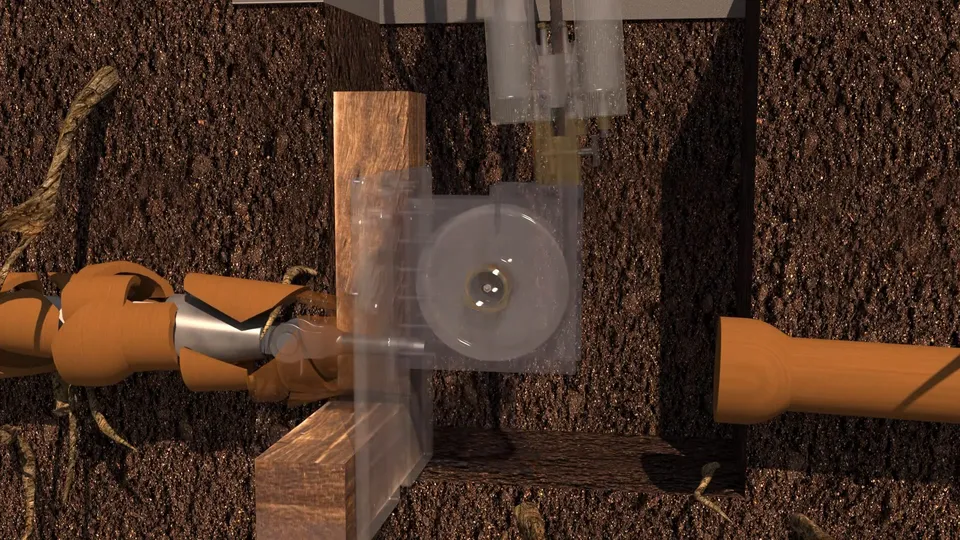
A home with people in it generates heat from cooking, showers, and body warmth that supplements the thermostat. A vacant home relies entirely on the heating system to keep interior temperatures above freezing, including in wall cavities, under cabinets, and in utility spaces that do not circulate air well. Parker's winters include sustained cold snaps where overnight lows drop to minus ten or colder, and a heating system failure during one of those snaps can freeze pipes within hours.
The risk is not evenly distributed through the home. Pipes in an unfinished basement that borders an unheated garage, exterior wall runs in a room where the thermostat does not register well, and outdoor hose bibs that are not frost-free models are the points most likely to fail when interior temperatures drop. In a home with nobody watching, a burst pipe runs until a neighbor notices water seeping under the door or the thermostat alarm triggers, which can be hours or days.
Short absence versus extended vacancy: different approaches
Short absence: two weeks or less
Keeping the thermostat at 55 degrees or above is adequate for most short Parker absences through winter, combined with a few simple habits. Open cabinet doors under sinks on exterior walls. Disconnect any garden hoses from outdoor faucets and confirm the hose bibs are closed. Let a neighbor know you are away and how to reach you if something looks wrong. For a home with a smart thermostat, monitoring the interior temperature remotely adds a safety net.
Extended vacancy: months through winter
A home that will sit truly empty from November through March carries a different risk profile. A heating system failure, a power outage, or an unusually cold stretch can drop interior temperatures even in a heated home to the point where vulnerable pipes freeze. A professional winterization eliminates the water from the system entirely, so there is nothing to freeze regardless of what the temperature does.
What a full professional winterization involves
A plumber performing a winterization shuts the main water supply, then opens every fixture in the home to drain the lines by gravity. After drainage, compressed air is used to blow out sections that do not drain completely on their own, including low spots in supply runs that hold water despite gravity.
Toilet tanks and bowls are emptied and the traps treated with antifreeze, since the water in traps provides the seal against sewer gas and cannot simply be drained out. Water heaters are drained and the supply and outlet shut off. Exterior hose bibs are blown out and the shut-off valves confirmed closed.
The result is a home where no standing water remains in the supply system. It can go to zero degrees inside and nothing will freeze, because there is nothing to freeze. The process is reversed in spring: the main is opened, the antifreeze is flushed from the traps, the water heater is refilled and relighted, and every fixture is confirmed working before the plumber leaves.
Reactivating after winter: what to watch for
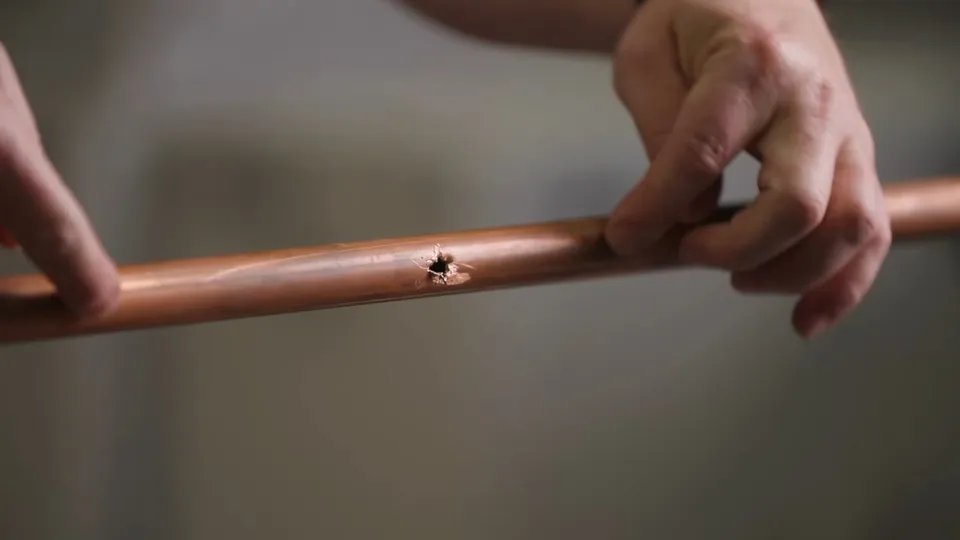
A home that was winterized correctly comes back online without drama. A plumber opens the main slowly and brings pressure up gradually, watching for leaks at fixtures and supply connections before restoring full pressure. Any joint that was stressed by the preceding season, either by a near-freeze event or by the movement that Parker's clay soil causes at buried connections, may show a drip during reactivation. Finding those drips under controlled conditions is far better than discovering them after the home is occupied.
If the home was not professionally winterized and there is any doubt about what the winter did to the plumbing, having a plumber walk through the reactivation is worth the cost. A slow pressurization with a plumber watching is the fastest way to find out whether anything froze and split during the season, before a crack that might have been a small repair becomes a flood the moment someone turns on the first faucet.
Frequently asked questions
What temperature does a Parker home need to stay at to avoid frozen pipes?
A minimum of 55 degrees Fahrenheit throughout the home is the general guideline for a heated but unoccupied Parker home. The goal is to keep the air in wall cavities, basements, and utility spaces above the temperature at which standing water in pipes begins to freeze. In an unusually cold stretch, even 55 degrees near an exterior wall can be marginal, which is why a full winterization is more reliable for a home left empty for an extended period.
What is a professional winterization and what does it include?
A professional plumbing winterization drains the supply lines of standing water, purges the lines with compressed air to remove what draining cannot reach, removes the water from toilet tanks and bowls using antifreeze or plunging, drains and bypasses the water heater, and addresses any other water-holding fixture. The result is a home where no standing water remains in the supply system to freeze. Reactivation in spring reverses the process.
Can I winterize my Parker home myself?
For a simple vacation in December, keeping the heat on and following the habits in this guide is a reasonable DIY approach. For a home left truly vacant through multiple months of Parker winter, a professional winterization is the more reliable protection. The main risk in a DIY attempt is not draining a section that holds water and does not drain easily by gravity alone.
Do I need to winterize the irrigation system separately?
Yes. An irrigation system is typically not connected to the home's supply in a way that drains when the main is shut off. A landscape contractor with a large compressor blows the irrigation lines out before the first freeze, a process called a blow-out. A plumber can confirm the backflow preventer is properly isolated and handle any plumbing aspect of the irrigation hookup, but the blow-out itself is typically done by the irrigation company.
When should I reactivate plumbing after a Parker winter?
When consistent overnight temperatures are above freezing, typically by late March or early April in Parker, though the timing varies by year. A plumber reactivates the system slowly, checking for leaks before fully restoring pressure to every line. Opening fixtures in sequence and watching the pressure gauge catches any problem before it becomes a flood.
Need a plumber?
Leaving your Parker home for the season?
A licensed Parker plumber can winterize the system before you leave and reactivate it when you return. Call for scheduling and pricing.