
Parker, CO · Plumbing service
Gas Line Installation & Repair in Parker, CO
Gas work is safety work, so it is permitted, pressure-tested, and done by a licensed Parker plumber.
- Licensed & Insured
- 24/7 Emergency
- Upfront Pricing
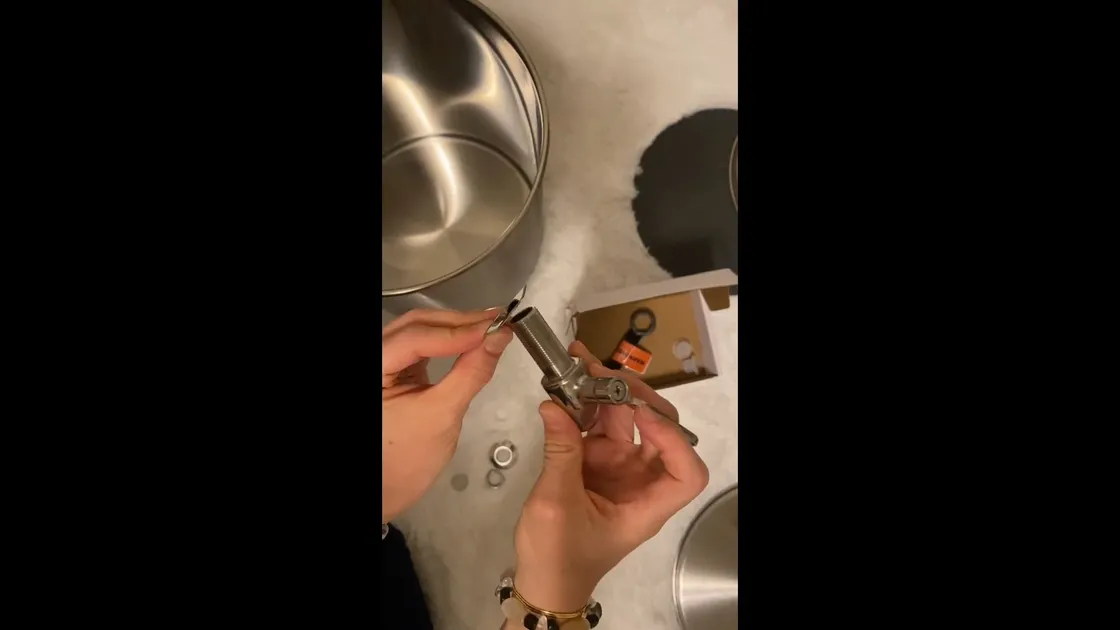
Gas line service covers running new lines and repairing existing ones for ranges, grills, fireplaces, water heaters, and tankless units. It is the one job where doing it right is not optional, since a leak is dangerous. A licensed plumber sizes the line for the appliance, runs it in black iron or approved CSST, pressure-tests it, and files the permit through the Town of Parker and Douglas County. Tankless water heaters in particular often need a larger line than the existing one, which is a common Parker upgrade.
What gas line service covers
New appliance hookups are the everyday job. Adding a gas range, a dryer, a fireplace, a patio grill, or a fire pit means running a properly sized line from the existing gas system to the new location, then testing and connecting it safely.
Sizing is where many lines go wrong. A line too small starves the appliance, and a high-demand unit like a tankless water heater needs more gas than a standard tank line can supply. A plumber calculates the load and upsizes the line so every appliance gets what it needs.
Repairs handle leaks and aging pipe. A gas smell, a hissing sound, or a spike in the gas bill can mean a leak at a fitting or a corroded section. A plumber locates it, repairs or replaces the affected pipe, and pressure-tests the system to confirm it holds. A small leak at a fitting is not something to watch and wait on, since gas does not give second chances.
Material and code matter. Black iron pipe and approved flexible CSST each have their place, and Parker work is inspected against current code. A plumber chooses the right material for the run, supports it correctly, and makes sure the install passes inspection.
Altitude affects appliances too. At nearly 5,900 feet, gas appliances may need altitude-rated components or adjustment to burn correctly. A plumber accounts for elevation when sizing and connecting, so a new range or heater runs clean up here. Skipping that step is a common reason a transplanted appliance burns yellow or short-cycles at Parker's elevation.
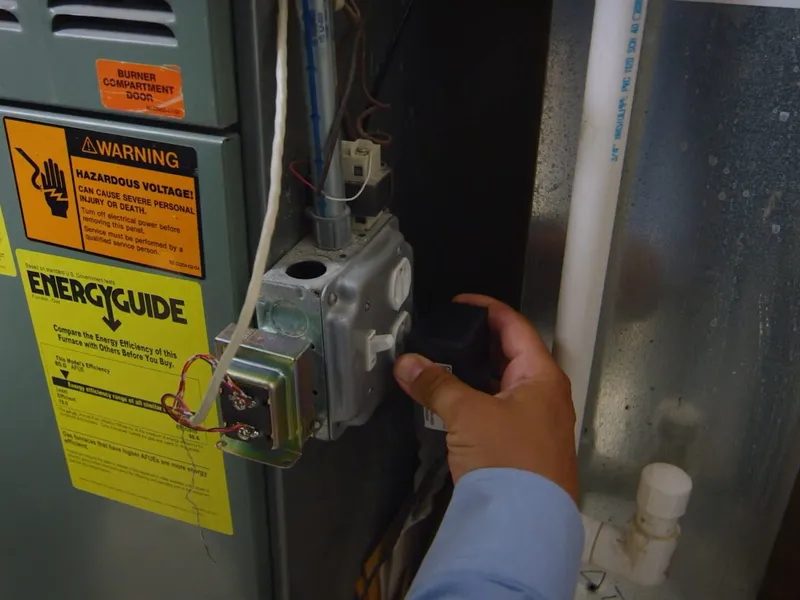
How Parker conditions affect this service
Hard Front Range water, expansive bentonite clay, and the freeze-thaw winters at nearly 5,900 feet shape every gas line installation & repair call in this market. A plumber who works Parker daily arrives with the right parts for the most common local failure modes and does not lose time diagnosing conditions that are standard here.
How we plan and test gas work
Every gas job is built around safety, with testing and permitting baked in.
Load and sizing calculation
A plumber adds up the demand of every appliance on the system and sizes the line so none are starved, accounting for a high-draw unit like a tankless heater.
Leak detection and testing
For a repair, a plumber locates the leak with a detector and a pressure test, then confirms the whole system holds before restoring service.
Permit and inspection
Gas work in Parker is filed with the Town and Douglas County and inspected. A plumber handles the permit so the install is legal, safe, and documented for resale.
Gas services we provide
From a single grill line to a tankless upgrade, the work is sized, tested, and permitted.
New line installation
A plumber runs a correctly sized line in black iron or CSST to a new range, grill, fireplace, or heater, then tests and connects it to code.
Gas line repair
Leaks and corroded sections get located and repaired or replaced, with a full pressure test afterward to confirm the system is tight.
Appliance hookup and upsizing
A plumber connects new appliances and upsizes the line where demand has grown, a frequent step when adding a tankless water heater.
What gas line work costs in Parker
Price depends on the run length, the material, and whether it is a hookup or a repair. You get the number before work.
Long runs, difficult routing, and permit fees affect the total. A plumber confirms the full price before starting any gas work.
What we also handle
Gas work and water heaters go hand in hand. A tankless install usually drives the tankless gas upgrade, and a new tank may need its gas line checked under water heater installation. Restaurants and businesses needing gas work fall under commercial plumbing.
Related plumbing services
Tankless Water Heater Services
Water Heater Installation & Replacement
Commercial Plumbing
We bring gas line installation and repair to Parker neighborhoods and nearby cities including Aurora, Centennial, Highlands Ranch, Lone Tree, Castle Rock. See the full service area, or read our signs of a gas leak and sizing a gas line for tankless in the Parker plumbing guides.
Frequently asked plumbing questions
I smell gas, what should I do?
Leave the home, avoid switches and flames, and call your gas utility and 911 from outside. Once the area is safe, a licensed plumber can locate and repair the leak and pressure-test the system. Gas safety comes before any repair.
Do I need a permit for a gas line?
Yes. Gas work in Parker is filed with the Town and Douglas County and inspected, both for safety and so the install is documented when you sell. A licensed plumber handles the permit as part of the job.
Why does a tankless heater need a bigger gas line?
Tankless units fire at a much higher rate than a tank, so they draw more gas at once. The existing line often cannot supply that, which is why upsizing the line is a common part of a tankless install.
Can you run a gas line to my grill or fire pit?
Yes. A plumber runs a sized line from the gas system to the patio, tests it, and connects the grill or fire pit safely. A permanent line ends the run of swapping propane tanks.
Black iron or CSST, which is better?
Both are code-approved and each suits different runs. Black iron is rigid and proven, while flexible CSST routes more easily through framing. A plumber picks the right material for your layout and installs it to code.
How do you know a gas line is safe after a repair?
A pressure test. After the repair, a plumber pressurizes the system and watches that it holds, confirming there are no leaks before gas service is restored. The inspection backs that up.
Do gas appliances work differently at Parker's altitude?
They can. At nearly 5,900 feet, some appliances need altitude-rated parts or adjustment to burn correctly. A plumber accounts for elevation when sizing and connecting so the appliance runs clean.
Need a plumber?
Need gas line work in Parker?
Get safe, permitted, pressure-tested gas work with an upfront price. Call a licensed Parker plumber.