
Parker, CO · Plumbing service
Water Filtration Installation in Parker, CO
Parker's municipal supply is safe to drink, but filtration improves taste, removes sediment, and protects fixtures from what hardness leaves behind.
- Licensed & Insured
- 24/7 Emergency
- Upfront Pricing
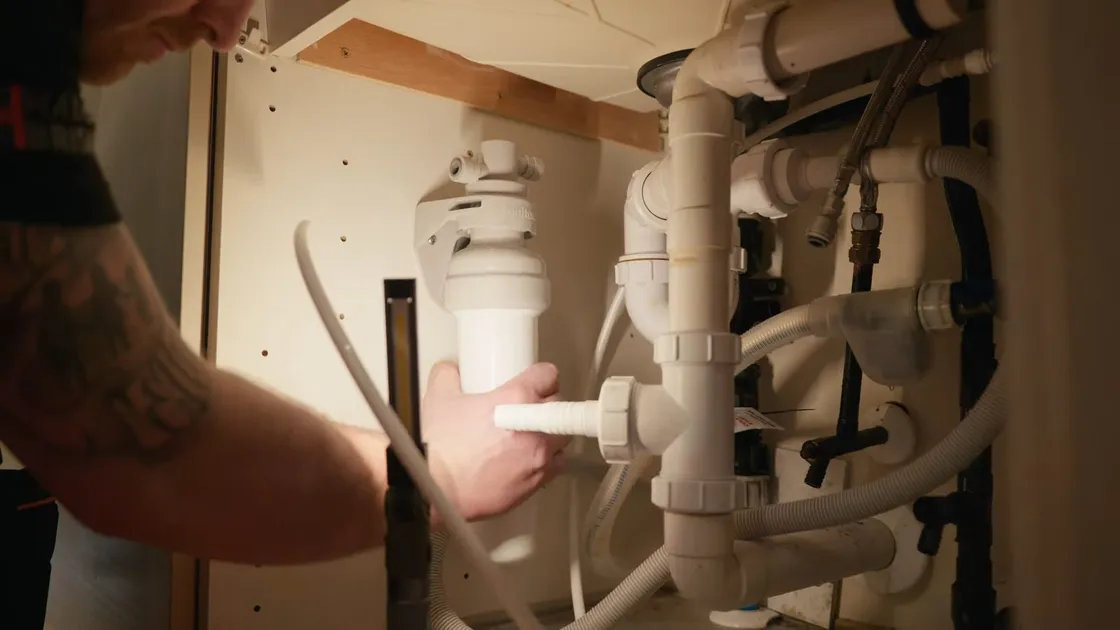
Water filtration installation covers the systems that treat what comes through the pipe before it reaches the tap. In Parker the main concerns differ by source. Municipal supply from the Parker Water and Sanitation District runs through a ceramic-membrane facility at Rueter-Hess and is treated, but it still carries chlorine, chloramines, and the mineral hardness that affects taste and appliance life. Well water in The Pinery and rural areas can bring iron, sediment, sulfur, and heavier hardness on top of that. A plumber matches the filter system to your actual water, not a generic recommendation.
What water filtration covers
Whole-house filtration treats water at the point it enters the home, so every tap, appliance, and fixture runs on filtered water. A sediment pre-filter removes grit and particles first, then a carbon or catalytic filter handles chlorine, chloramines, and taste. That two-stage approach is the baseline for most municipal Parker homes.
Well homes need a different plan. Iron in the water stains fixtures and laundry and tastes metallic. Sediment from an aging well or seasonal runoff clogs filters fast without a good pre-filter. Hydrogen sulfide creates a sulfur smell. A plumber tests the well water to know what is actually in it and builds the system around those results.
Point-of-use filters handle what whole-house systems leave behind. An under-sink reverse osmosis unit produces drinking water that removes what a whole-house carbon filter does not, including nitrates and dissolved solids. Many Parker households run a whole-house sediment and carbon system at the entry, then add an RO unit at the kitchen tap.
Filtration and softening work together, not in competition. A softener removes hardness minerals through ion exchange, and a filter handles chlorine, taste, and sediment. They treat different things, so a plumber often recommends both for a Parker home that wants protected pipes and good-tasting water.
Maintenance is part of the job. Every filter has a cartridge or media that exhausts over time, and a system that is not serviced stops filtering. A plumber installs with service access in mind and walks you through when and how to change what, so the system keeps doing what it was built for.
How we plan a filtration system
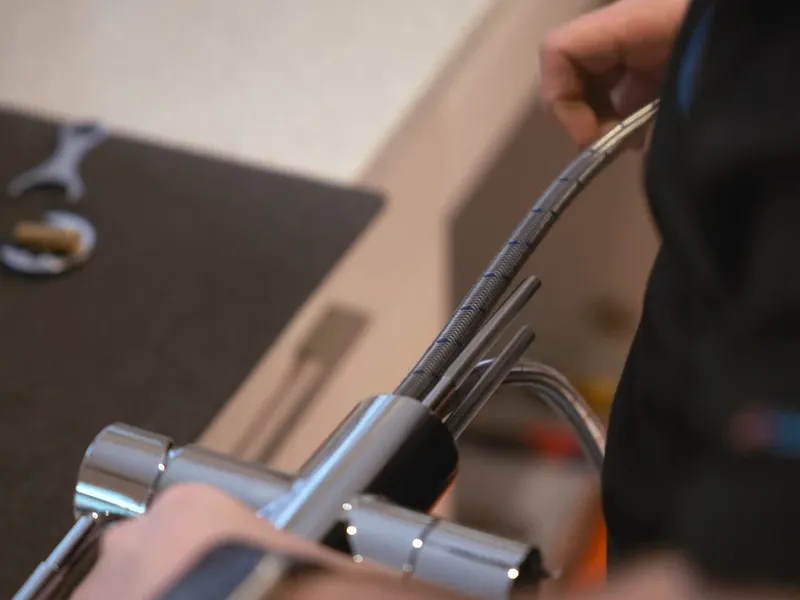
A good fit starts with knowing what is in the water, not picking a system off the shelf.
Testing or reviewing your water
A plumber reviews municipal water quality reports for PWSD supply or tests a well sample to understand what the water actually contains before recommending a system.
Matching the system to the problem
Hard water, iron, chlorine taste, and sediment each need different media. A plumber builds a system around the real contaminants, not a one-size answer.
Planning placement and service access
Whole-house systems go where the water enters, and a plumber ensures filters are accessible for cartridge changes so the system is serviced regularly instead of forgotten.
Filtration systems we install
From a single under-sink unit to a whole-house multi-stage system for a well home, the work matches the water.
Whole-house sediment and carbon
A sediment pre-filter and carbon or catalytic stage at the entry point treat the whole house and protect downstream appliances and fixtures from chlorine and particles.
Well water multi-stage systems
Iron, sediment, and sulfur each get their own stage, sized to what the well test shows. A plumber sequences the stages so each one protects the next.
Under-sink and point-of-use
An RO system or under-sink carbon filter at the kitchen tap handles drinking water quality after the whole-house system handles the rest.
What water filtration costs in Parker
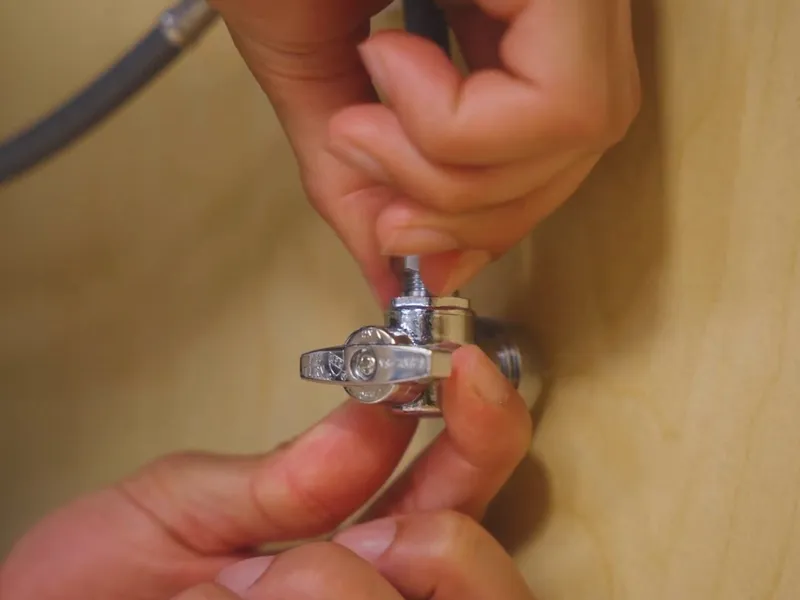
A simple under-sink filter and a multi-stage well system sit far apart. You see the number before work.
Well systems with iron and sulfur treatment cost more because more stages are needed. A plumber prices it after reviewing your water.
Service context and next steps
What we also handle
Filtration handles taste and sediment, while hardness minerals call for a water softener. Well homes often combine both, and because filtered water is gentler on appliances, pairing filtration with water heater service or a tankless unit makes sense at the same time.
Related plumbing services
Water Softener Installation & Repair
Water Heater Installation & Replacement
Tankless Water Heater Services
We bring water filtration installation to Parker neighborhoods and nearby cities including Aurora, Centennial, Highlands Ranch, Lone Tree, Castle Rock. See the full service area, or read our municipal vs well water filtration and do you need an RO system in the Parker plumbing guides.
Frequently asked plumbing questions
Is Parker tap water safe without a filter?
Municipal PWSD supply is treated and meets safety standards. Filtration improves taste, removes residual chlorine and chloramines, and protects fixtures from what hardness leaves behind. Well water in The Pinery and rural Parker varies more and often benefits from testing and a targeted system.
What does a whole-house filter actually remove?
It depends on the media. A sediment stage removes grit and particles, a carbon or catalytic stage handles chlorine, chloramines, and much of the taste issue. A whole-house system does not typically remove dissolved minerals, which is where a softener comes in.
What is reverse osmosis and do I need it?
An RO unit produces very clean drinking water by pushing it through a membrane that removes nitrates, dissolved solids, and much of what a carbon filter leaves. Most Parker households do not need it at every tap, but it is a strong choice for the kitchen drinking and cooking tap.
My well water smells like sulfur, can you fix that?
Yes. Hydrogen sulfide in well water is treated with a specific media stage, usually an oxidizing filter or air injection, placed before the softener and carbon stages. A water test tells a plumber exactly what is needed.
Does filtration replace a water softener?
No. They treat different things. A filter handles chlorine, taste, sediment, and some contaminants. A softener removes hardness minerals that scale pipes and appliances. Many Parker homes benefit from both, running in sequence.
How often do filters need to be changed?
It depends on the system and the water quality, but most sediment cartridges go every three to six months and carbon media runs six months to a year. A plumber walks you through the service schedule at install so it does not lapse.
Can you add filtration to an existing well system?
Yes. A plumber assesses the current setup and adds the right stages, whether that is a sediment pre-filter, an iron filter, or a carbon stage, working around your existing pressure tank and softener.
Need a plumber?
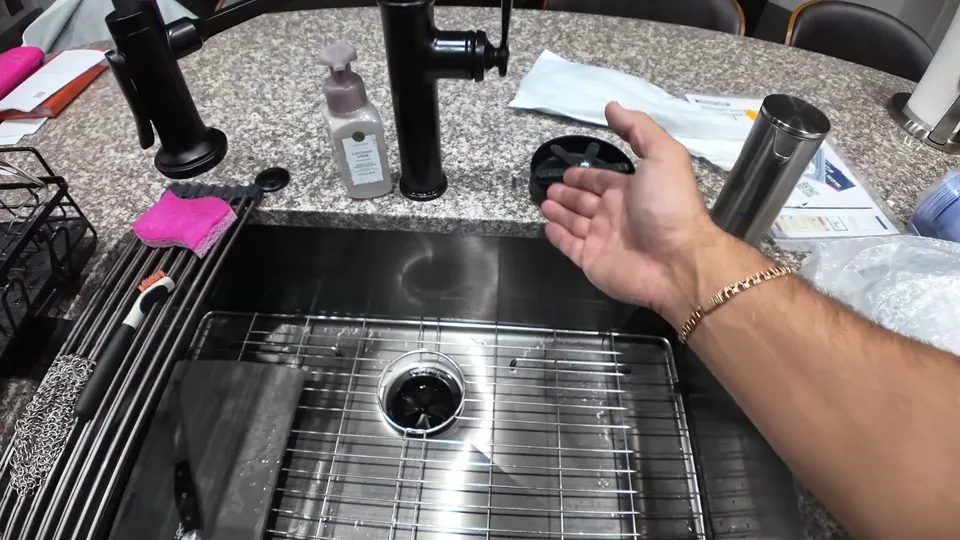
Want better water in your Parker home?
A filtration system matched to your water, not a generic kit. Call a licensed Parker plumber.