
Parker plumbing guide
Backflow Testing in Parker: What PWSD Requires and Why
Parker Water and Sanitation District requires annual certified backflow testing for any assembly protecting the municipal supply from cross-connection risk. Understanding the requirement, the timeline, and the test process keeps Parker properties in compliance without surprises.
Why backflow prevention exists
Municipal water systems maintain positive pressure to push treated water from the main into homes and businesses. Under normal conditions that pressure keeps contaminated water from flowing backward into the supply. But pressure in a water main can reverse during a main break, a firefighting draw-down, or a water district maintenance event. When that happens, any connected pipe that contains a contaminant, fertilizer from an irrigation system, chemicals from an industrial connection, or bacteria from a non-potable source, can backflow into the municipal supply affecting not just that property but neighboring connections on the same main.
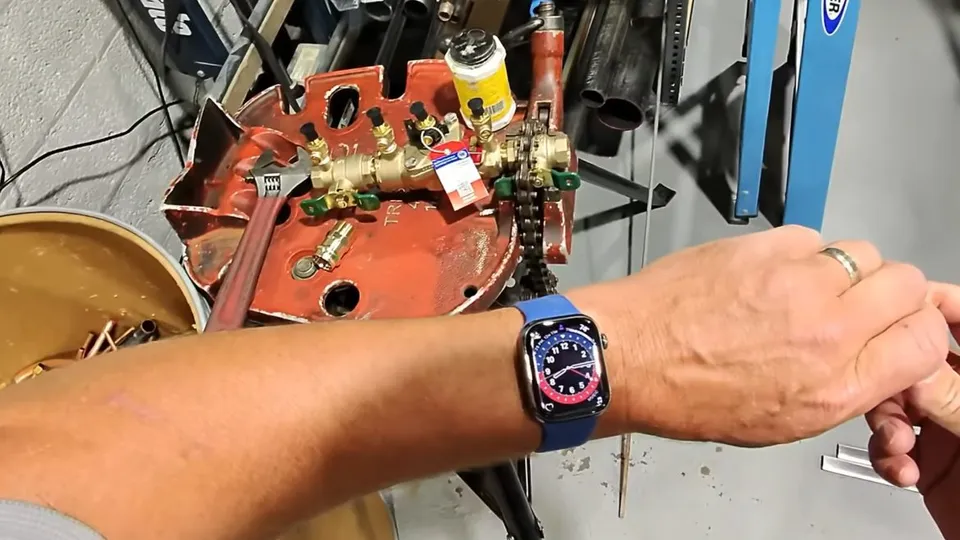
A backflow prevention assembly is a mechanical device that prevents that reversal. It uses internal check valves and, in higher-hazard assemblies, a relief valve that opens to atmosphere if the primary checks fail. The device only provides that protection if it is functioning correctly, which is why PWSD requires certified annual testing rather than assuming the device is working because it has not visibly failed.
What the annual test involves
Who can perform the test
PWSD requires the test to be performed by a tester certified through the American Backflow Prevention Association (ABPA) or an equivalent recognized certification program. Not every plumber holds that certification. A licensed plumber who is also a certified backflow tester can perform the test, submit the required report to PWSD, and handle any repair in the same visit.
What the test measures
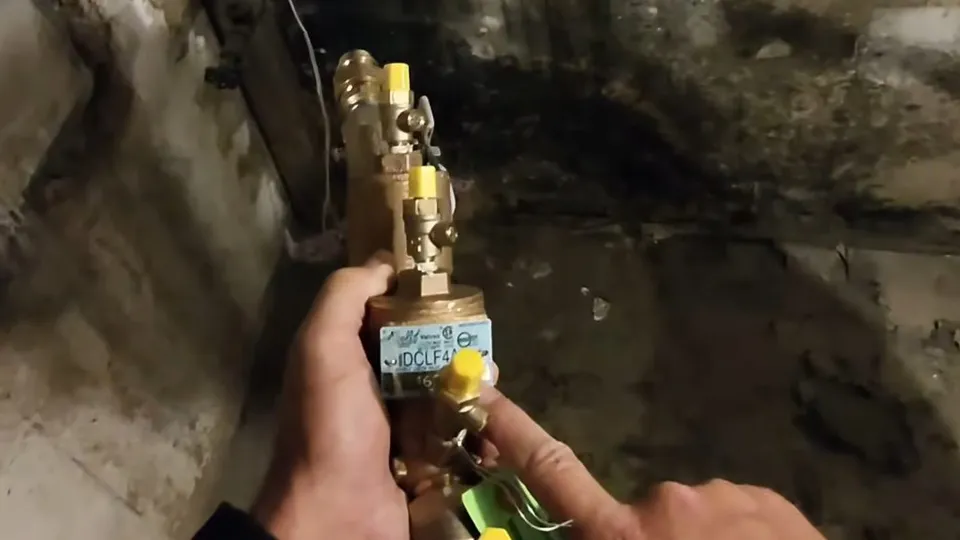
The tester isolates the assembly, attaches calibrated differential pressure gauges, and confirms that the check valves hold the required pressure differential and that the relief valve in an RPZ opens at the correct point. A pass confirms the assembly is functioning. A fail identifies which component is not meeting the specification and drives the rebuild or replacement decision.
Reporting to PWSD
After the test, the certified tester submits a test report to PWSD documenting the device, the test results, and any repairs made. This is the record that satisfies the annual requirement. A property owner who received a testing notice from PWSD needs that report on file with the district, not just a receipt from a plumber who performed an uncertified check.
When backflow testing matters most in Parker
The most common application in Parker is residential and HOA irrigation. The master-planned communities that make up most of Parker, including Stonegate, Stroh Ranch, Bradbury Ranch, Highlands Ranch (served by a different district but similar requirements), and Pradera, have HOA-maintained common-area irrigation alongside residential systems. Both need annual testing. Many HOAs schedule their common-area testing with their spring irrigation startup and use a certified plumber to test all assemblies at once.
Backflow testing is one of the lower-cost annual compliance items, but the consequences of missing it are disproportionate. A property that loses water service because testing lapsed has an immediate problem that costs more to resolve than a year of testing would have. Scheduling the test alongside spring irrigation startup is the most efficient approach, since the system is already being activated and a licensed tester is already on site.
Commercial properties in Parker, including restaurants, offices, and retail along Parker Road and the Mainstreet corridor, have backflow requirements tied to their specific uses. A restaurant with a grease trap and a commercial kitchen connection has a different hazard level than an office building, and the required assembly reflects that. A plumber who handles commercial plumbing in Parker knows which assembly type applies to which use and pulls the permit for new installations through the Town.
Frequently asked questions
Who is required to have a backflow preventer in Parker?
Any property connected to PWSD supply with a potential cross-connection risk is required to have an approved backflow prevention assembly. This covers residential irrigation systems, commercial properties, buildings with fire sprinkler systems, and any connection where a contaminant could flow back into the municipal water supply if pressure reverses. PWSD specifies the required assembly type based on the hazard level.
How much does backflow testing cost in Parker?
Annual certified testing for a standard residential assembly typically runs between $75 and $200. If the device fails the test and needs a rebuild or replacement, the additional cost depends on the assembly type and the parts involved. A failed assembly that gets rebuilt and retested in the same visit is the most cost-effective outcome.
What happens if I miss a year of backflow testing?
PWSD tracks required testing and may send notices when testing lapses. In some cases the district can restrict or terminate service for a property that continues to miss required testing. Beyond the regulatory issue, a backflow preventer that fails and is not caught creates an actual contamination risk to the water supply, which is the reason the requirement exists.
Can the plumber test and repair on the same visit?
Often yes. A certified tester who also carries common rebuild parts for the typical Parker irrigation assemblies can test, identify a failure, rebuild the device, and retest in a single visit. The test report goes to PWSD reflecting a passing result after the repair. This is the most efficient outcome and avoids a second scheduling gap between the test and the fix.
What is the difference between an RPZ and a double check valve?
A reduced pressure zone assembly (RPZ) is the higher-level protection, required where the hazard is significant, such as on irrigation systems that use fertilizer injection or chemigation. It has an internal relief valve that opens to atmosphere if the first check fails, providing a second level of protection. A double check valve assembly (DCVA) is used for lower-hazard applications. PWSD specifies which is required based on the use.
Need a plumber?
Backflow test due in Parker?
A certified Parker plumber handles the test, the PWSD report, and any repairs in one visit. Call for scheduling and pricing.