
Parker, CO · Plumbing service
Backflow Testing & Prevention in Parker, CO
Annual certified backflow testing keeps your Parker property compliant and the water supply protected.
- Licensed & Insured
- 24/7 Emergency
- Upfront Pricing
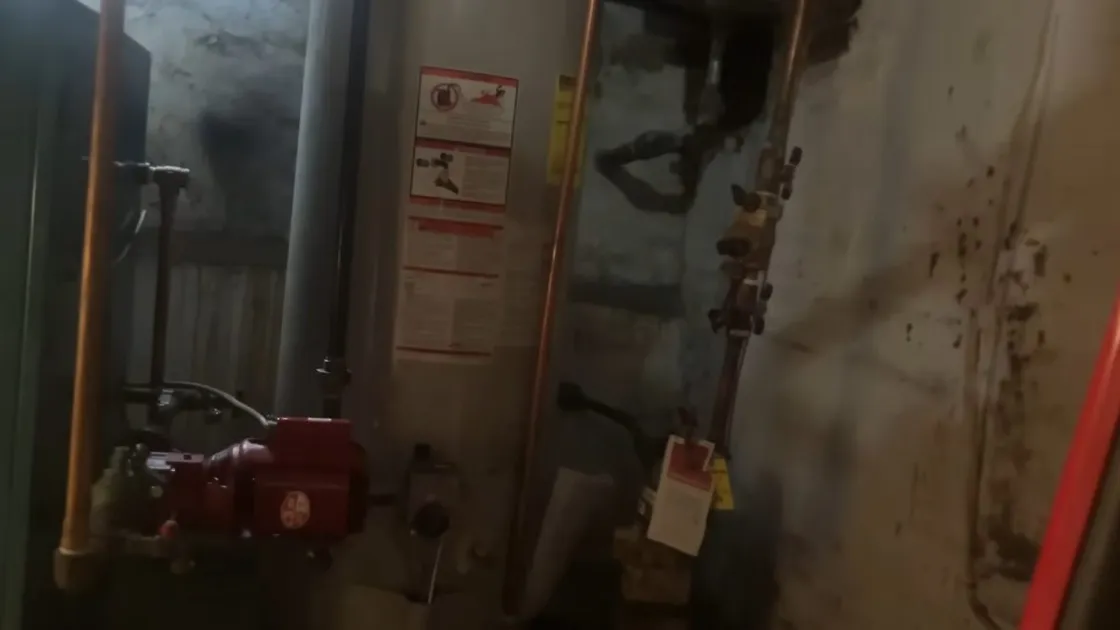
Backflow testing and prevention is the work of confirming that the devices protecting the potable water supply from contamination are functioning, and installing or repairing those devices when they are not. In Parker, backflow preventers are required on irrigation systems, commercial properties, and buildings with fire sprinklers. The Parker Water and Sanitation District requires annual certified testing of these devices, and the results get reported back to the utility. A licensed plumber who is also a certified backflow tester handles the test, the report, and any repair or replacement.
What backflow service covers
Backflow happens when water flows the wrong direction in a plumbing system, which can draw contaminants from irrigation, industrial, or commercial lines back into the drinking water supply. A properly installed and maintained backflow preventer stops that reversal. Testing confirms the device still does what it is supposed to do.
Annual testing is the requirement for most Parker commercial and HOA properties. The Parker Water and Sanitation District mandates certified annual tests on assemblies protecting the public supply. A plumber who holds the certification tests the device with calibrated gauges, records the results, and submits the report to the utility.
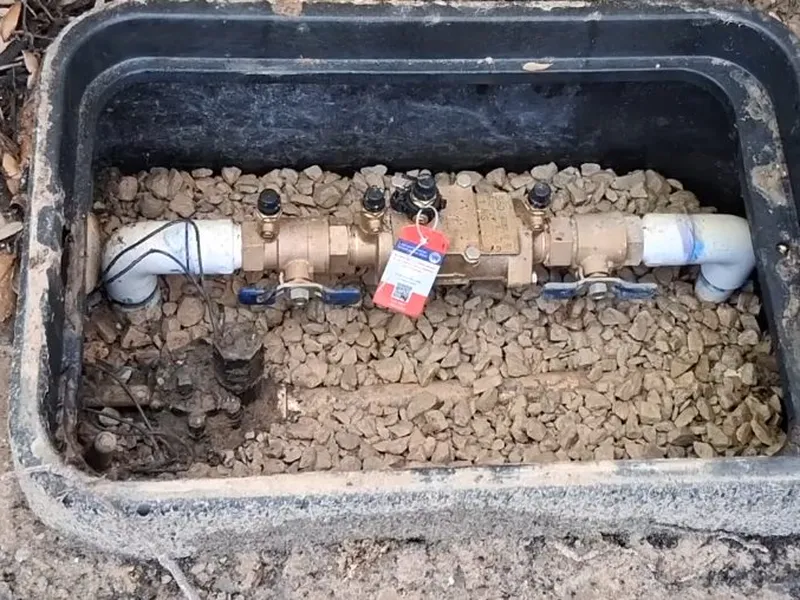
Irrigation systems are the most common residential application. A sprinkler or drip system introduces a path where fertilizer, pesticide, and soil can backflow if pressure drops on the main. An approved reduced pressure zone assembly, or RPZ, is the standard protection, and it needs annual testing like any commercial assembly.
Repair and replacement come up when a test fails. A device that fails the annual test gets rebuilt or replaced. Seats, springs, and rubber components wear over time, especially in the hard Parker water that shortens the life of any device with small passages.
New installs happen when a property adds irrigation, a fire system, or a use that crosses into cross-connection risk. A plumber confirms the right device for the hazard level, installs it to PWSD requirements, and gets it tested before the system goes live.
How we handle backflow work
Backflow work runs on testing, reporting, and repair, each with specific requirements in Parker.
Certified annual test
A plumber certified by the American Backflow Prevention Association performs the test with calibrated gauges, records pass or fail, and submits results to PWSD. If it passes, the record is on file. If it fails, a repair follows the same visit when possible.
Failed device assessment
A device that does not hold test pressure or opens at the wrong point gets inspected for worn seats, fouled checks, or failed springs. A plumber determines whether a rebuild or a replacement makes sense.
New device sizing and install
For a new irrigation system, fire connection, or commercial addition, a plumber sizes the correct assembly for the hazard, installs it per PWSD standards, and tests it before the service goes live.
Backflow services we provide
Testing, repair, installation, and the utility reporting that goes with each.
Annual certified testing
A plumber tests the device, records the results, and submits the report to PWSD. Most tests take under an hour when the assembly is accessible and in good condition.
Rebuild or replacement
A failed device gets rebuilt with new internals or replaced outright, tested again to confirm it passes, then reported to the utility. A plumber covers both the test and the repair in one visit when parts are on hand.
New RPZ or DCVA installation
A plumber installs the right assembly for the application, whether it is a residential irrigation RPZ or a commercial double check valve assembly, permitted and approved by PWSD.
What backflow service costs in Parker
Testing is a fixed, modest annual cost, and repair or installation depends on the device. You see the price before work.
Commercial systems with multiple assemblies and new installs requiring permits add cost. A plumber confirms the price before starting.
Service context and next steps
What we also handle
Backflow prevention is one piece of a Parker property's water infrastructure. HOA and commercial properties often pair it with commercial plumbing service, and an irrigation backflow check is a natural add-on during a spring water line inspection.
Related plumbing services
Commercial Plumbing
Water Line Repair & Replacement
Leak Detection
We bring backflow testing and prevention to Parker neighborhoods and nearby cities including Aurora, Centennial, Highlands Ranch, Lone Tree, Castle Rock. See the full service area, or read our backflow testing requirements in Parker and RPZ vs double check valve in the Parker plumbing guides.
Frequently asked plumbing questions
Why is annual backflow testing required in Parker?
The Parker Water and Sanitation District requires it to protect the public supply from cross-connection risk, where contaminants from irrigation, industrial, or commercial systems could flow backward into the drinking water. A certified tester confirms the device is working each year.
Who is required to have a backflow preventer?
Any property with an irrigation system connected to the municipal supply, commercial and industrial buildings, properties with fire sprinklers, and any connection where a cross-connection hazard exists. PWSD specifies the requirements for each type.
What happens if my device fails the annual test?
A plumber rebuilds or replaces the device, retests it to confirm it passes, and submits the corrected report to PWSD. A failed assembly should not be left until next year, since the protection is not there.
What is an RPZ?
A reduced pressure zone assembly is the highest level of backflow protection, required where the hazard is significant, such as on irrigation systems that use fertilizer injection. It vents to atmosphere if both checks fail, which protects the supply even in a worst-case failure.
Can you test and repair the same day?
Often yes. A plumber brings common rebuild kits for the most frequent assemblies in Parker. If the failed part is in stock, the test, rebuild, retest, and report happen in one visit.
Does my HOA irrigation system need testing?
Yes. HOA common-area irrigation systems that connect to PWSD supply require annual certified testing, and many HOAs fold it into their spring irrigation startup. A plumber handles the test, any repairs, and the utility reporting.
How do I know if my backflow device needs replacement rather than a rebuild?
Age and condition decide it. A device that fails repeatedly, has corroded or damaged body castings, or is out of production for parts is better replaced. A plumber will tell you honestly after inspecting what failed.
Need a plumber?
Need backflow testing in Parker?
Certified testing, utility reporting, and same-day repair when a device fails. Call a licensed Parker plumber.