
Parker plumbing guide
How to Check Your Water Meter for a Hidden Leak
A PWSD bill that climbs without explanation often means water is going somewhere it should not be. The water meter at the curb is the fastest way to confirm a leak exists, even before you know where it is.
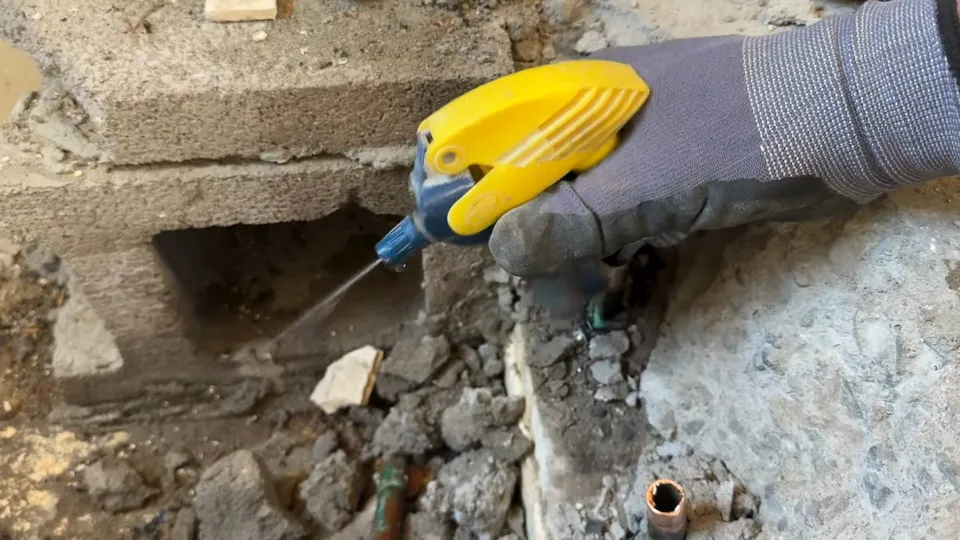
Signs a hidden leak may be present
A water bill that has increased month over month without a change in habits is the clearest indirect signal. Parker Water and Sanitation District bills are calculated in hundred-cubic-foot units, and a jump of even half a unit represents a significant amount of water. Comparing the current bill to the same month from the prior year removes the seasonal variation that can make a single month-over-month comparison misleading.
Other signs include a sound of running water in a quiet house when all fixtures are off, unexplained moisture or mildew in a room without a visible source, a warm spot on the floor in a slab-on-grade home, or a lawn area that stays wet when no irrigation has run. Any one of these is worth investigating with the meter test before calling in a professional, since it confirms whether a leak exists and gives a plumber context before they begin the detection work.
How to do the meter test: step by step
Step one: close the house shutoff
Locate the main shutoff inside the house, typically in the basement near the front wall where the supply line enters. Close it completely. This isolates everything inside the house from the service line between the meter and the house.
Step two: read the meter, wait, read again
Go to the meter box at the street and note the exact reading. Wait fifteen to thirty minutes without using any water inside or outside the home. Return and read the meter again. If the numbers have changed, water is moving somewhere between the meter and the closed shutoff, which points to a leak on the service line.
Step three: open the house shutoff and test inside
If the meter was stable with the house shutoff closed, the service line is not the problem. Open the house shutoff and repeat the test without closing any individual fixture shutoffs. A meter that moves now points to a leak inside the house, which narrows the search to internal supply lines, slab lines if the home is on grade, or fixtures that are running when they should not be.
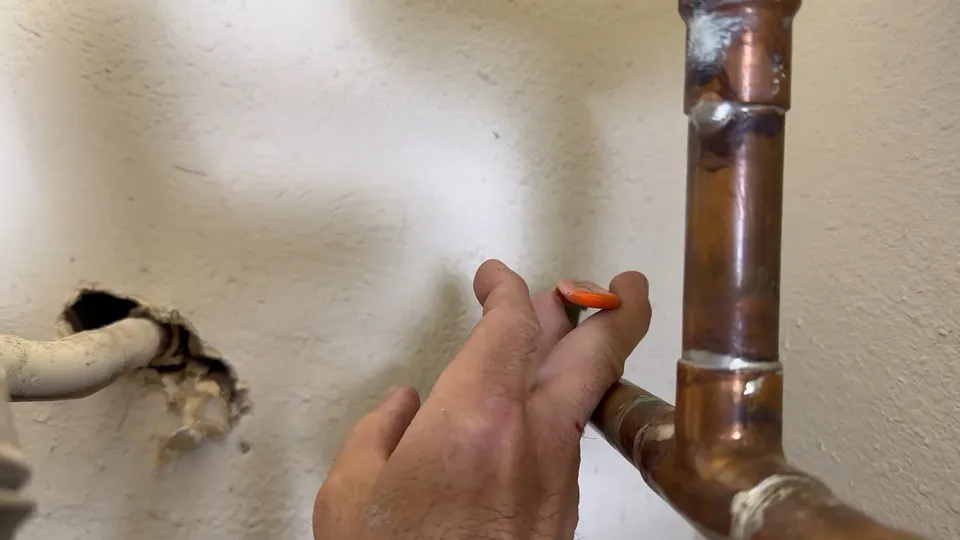
What happens after the meter test confirms a leak
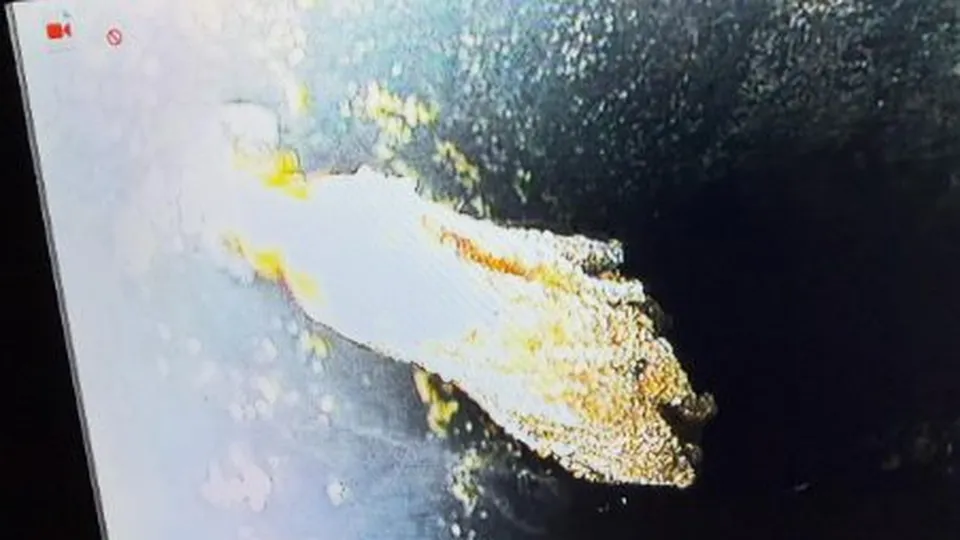
The meter test tells you a leak exists and roughly where it is in the system. It does not tell you which pipe, how bad the leak is, or what the repair involves. That is the work of professional leak detection, which uses acoustic equipment and pressure testing to pinpoint the source precisely before opening any walls, slabs, or ground.
In Parker homes, the most common hidden leaks are pinholes in original copper supply lines in the walls, under-slab supply line failures in newer slab-on-grade construction, leaks on the buried service line from the meter to the house, and irrigation line breaks in the yard. Each calls for a different detection approach and a different repair, which is why the meter test and a professional detection visit work together rather than separately.
One additional check worth doing before calling a plumber is a toilet dye test. Add a few drops of food coloring to every toilet tank in the house and wait fifteen minutes without flushing. If color appears in the bowl, the flapper is leaking water from the tank into the bowl silently, which is one of the most common causes of a higher PWSD bill in Parker. A flapper replacement costs a few dollars and takes ten minutes. If the toilet dye test is negative and the meter still moves with all fixtures off, the leak is in the supply system rather than a fixture.
If the meter test is positive and there is no visible water anywhere, the right next call is a licensed plumber with acoustic and thermal detection equipment. Trying to locate a hidden leak by opening walls at random costs more in drywall and labor than a detection visit does, and it often still does not find the source.
Frequently asked questions
Where is the PWSD water meter in Parker?
The Parker Water and Sanitation District meter is in a meter box in the ground near the street, usually at the property line or in the parkway strip between the sidewalk and the curb. The box has a lid that lifts with a flat screwdriver or a meter key. Not all meter boxes are easy to locate if they are overgrown or under soil, but PWSD can point you to the exact location if needed.
My meter stopped moving after the test, does that mean there is no leak?
If the meter stops moving with all fixtures off and the house shutoff closed, the leak is inside the house rather than on the service line. Common inside leaks include running toilets, dripping faucets, and the fill valve on a toilet that leaks past the flapper into the bowl rather than running audibly. A dye test in the toilet tank, using a few drops of food coloring, can confirm a silent toilet leak within a few minutes.
How much water does a hidden leak waste?
A slow pinhole leak in a supply line can waste hundreds of gallons per month. A toilet that runs constantly from a failed flapper wastes around two hundred gallons per day. A larger slab leak or a cracked service line can exceed a thousand gallons per day. The PWSD bill shows the total usage in hundred-cubic-foot units, and a plumber or the district's customer service team can help you convert the usage increase into daily gallons to understand the scale of the loss.
Can a running toilet cause a high PWSD bill?
Yes, and it is one of the most common causes of a higher-than-expected bill. A toilet with a worn flapper or a failed fill valve can run silently, meaning the tank drains into the bowl without making an audible sound, while still wasting a significant amount of water. Placing food coloring in the tank and checking the bowl after fifteen minutes without flushing confirms whether the toilet is leaking.
Should I call PWSD or a plumber about a suspected leak?
PWSD can confirm your usage trend, provide historical data, and in some cases conduct a basic meter check. But locating and repairing a leak is the work of a licensed plumber. PWSD handles the meter and the service line to the curb stop; everything from the curb stop to the house is the homeowner's responsibility and the plumber's work.
Need a plumber?
Meter test positive? We can find the leak.
A licensed Parker plumber with acoustic and thermal detection locates the source before opening any walls or concrete. Call for an upfront price.