
Parker plumbing guide
The Pinery Water: Well vs. Municipal and What It Means for Your Plumbing
The Pinery sits on the east side of Parker with a mix of properties on The Pinery Water and Wastewater District supply and properties on private wells. Each source behaves differently in plumbing systems, and understanding which one you have shapes every water treatment and maintenance decision.
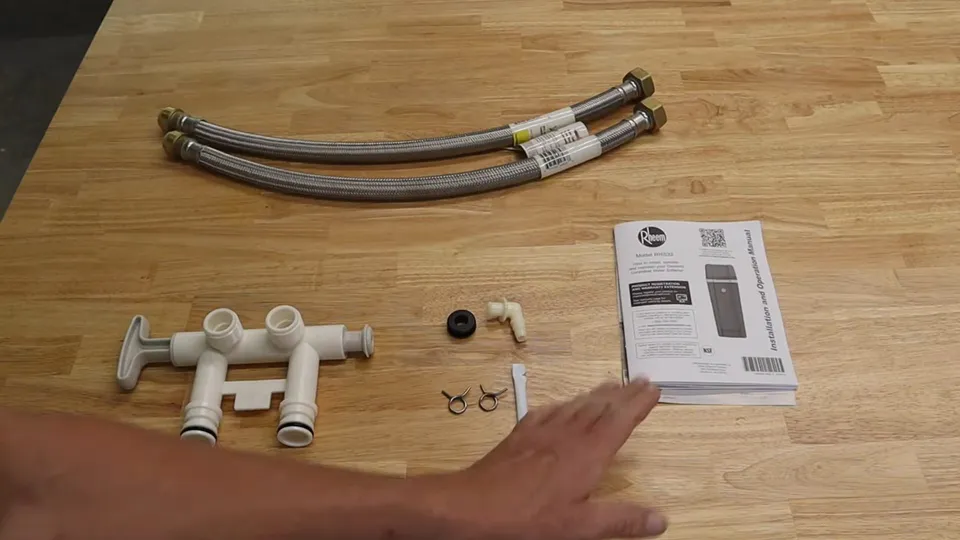
Two water sources serving one community
The Pinery is unusual in the Parker area because it has its own water utility district separate from PWSD. The Pinery Water and Wastewater District serves most of the golf-course community and surrounding development with treated municipal supply, reporting a hardness of approximately 210 parts per million. That is moderately hard water that is safe to drink and use but leaves scale in water heaters, tankless units, and appliances over time.
A separate subset of Pinery properties, particularly the larger parcels in Pine Lane Estates and the rural areas along Stroh Road east of the community, rely on private wells rather than the district supply. These wells draw from the Douglas County groundwater basin and vary significantly in quality from parcel to parcel. Some carry iron that stains fixtures and imparts a metallic taste. Others have elevated hardness beyond the district supply, sediment, or pH variations. Without a water test specific to that well, the treatment needs are guesswork.

Plumbing differences between district and well-water homes
On district supply (PWWD)
Pinery district homes are on a closed municipal system with metered supply, similar to PWSD in the Parker core. The water is treated and tested by the district. The scale from approximately 210 parts per million hardness accumulates in water heaters, tankless units, aerators, and faucet cartridges the same way PWSD water does in Parker proper. A whole-house softener addresses the hardness, and an annual tankless descale or water heater flush handles the sediment that hard water leaves behind.
Backflow testing requirements apply to irrigation systems connected to district supply. A certified tester handles the annual test and submits the result to PWWD rather than PWSD.
On a private well
Well-water homes in The Pinery area operate on a self-contained pressurized system with a pump, a pressure tank, and no utility district monitoring. The pressure tank maintains a set pressure range, and the pump activates when pressure drops below the lower threshold. When the tank waterloggs or the pump fails, water pressure disappears. A plumber handles pressure tank replacement and advises on pump issues, though well pump work itself often involves specialized well contractors.
Water treatment on a private well is sized to what a water test actually shows. Iron requires a dedicated iron-removal filter stage that a carbon or softener alone will not address. Sediment needs a pre-filter to protect the softener and fixtures. Hardness is handled by the softener after the particulates are removed.
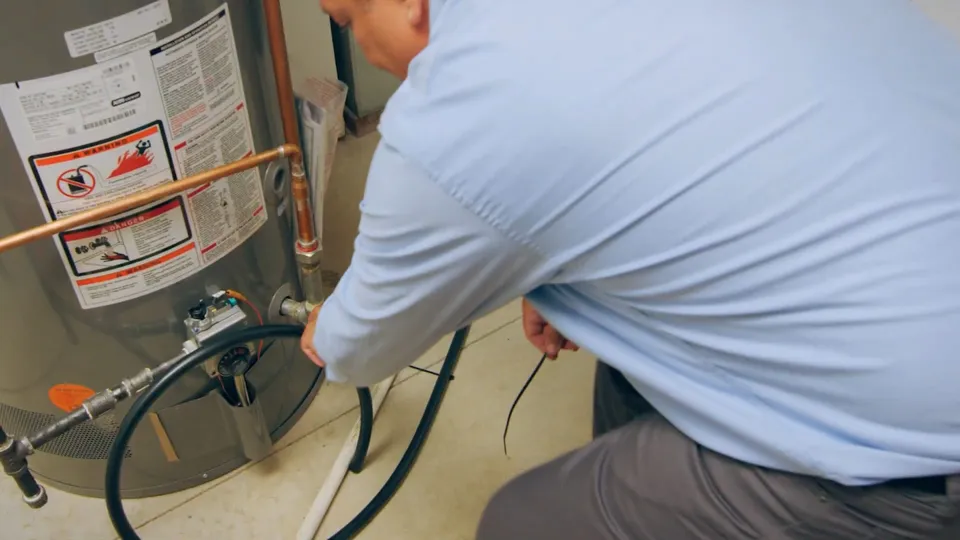
Getting the treatment right for your Pinery water source
The mistake that happens most often in Pinery water treatment is applying a system designed for municipal supply to a private well without testing the well first. A carbon filter and softener designed for PWSD chlorinated supply does not address iron or hydrogen sulfide that a well may carry. Installing it on a well with iron produces orange staining on the softener resin within months and damages the unit.
A water test costs a modest amount and takes a few days for lab results. The results tell a plumber and a water treatment specialist exactly what the well water contains, which drives the treatment sequence: iron filter first if iron is present, then softener, then carbon for taste and organics if needed. The sequence matters because each stage protects the next one downstream.
For district supply homes, the treatment is more predictable because the PWWD publishes its water quality data. A softener sized to the household water use and the reported hardness is the starting point, with a carbon stage added if chloramine taste is a concern. A plumber who works The Pinery regularly knows both systems and brings appropriate equipment for each.
Frequently asked questions
How do I know if my Pinery home is on well water or municipal supply?
If you receive a water bill from The Pinery Water and Wastewater District, you are on municipal supply. If you have a pressure tank, a well pump, and no utility water bill, you are on a private well. Some Pinery properties have both: municipal for the house and a well for irrigation. A plumber can identify the setup on a first visit from the equipment in the utility room.
Is Pinery Water and Wastewater District water safe to drink?
Yes. PWWD supply meets all state and federal Safe Drinking Water Act standards. The hardness at roughly 210 parts per million is not a health concern, it is a plumbing and appliance concern. The difference between Pinery district water and a private well is that the district tests and treats regularly, while a private well relies on the property owner to test and maintain the system.
How hard is the water in The Pinery compared to Parker proper?
The Pinery Water and Wastewater District publishes hardness data showing approximately 210 parts per million, which the district describes as moderately hard. Parker Water and Sanitation District supply varies by source blend but is generally in a similar range. Private wells in The Pinery and Pine Lane Estates are often harder, and some carry iron and sediment that the district supply does not.
What causes sulfur smell in a Pinery well?
Hydrogen sulfide gas dissolved in well water produces the sulfur or rotten-egg odor that some Pinery private well owners report. It is not necessarily a safety hazard at low levels but is objectionable and can corrode plumbing fixtures and appliances. An oxidizing filter or an aeration system removes it. The right treatment depends on the concentration, which a water test quantifies.
Should I test my Pinery well water?
Yes, at least every one to two years. Well water in The Pinery and rural Douglas County is not monitored by a utility district, which means the testing responsibility falls on the property owner. A basic test covers hardness, iron, pH, coliform bacteria, and nitrates. The results determine what treatment, if any, is needed and confirm the well is safe to use.
Need a plumber?
Water questions for your Pinery home?
A licensed Parker plumber who knows Pinery water sources can recommend the right treatment for your specific supply. Call for a consultation.